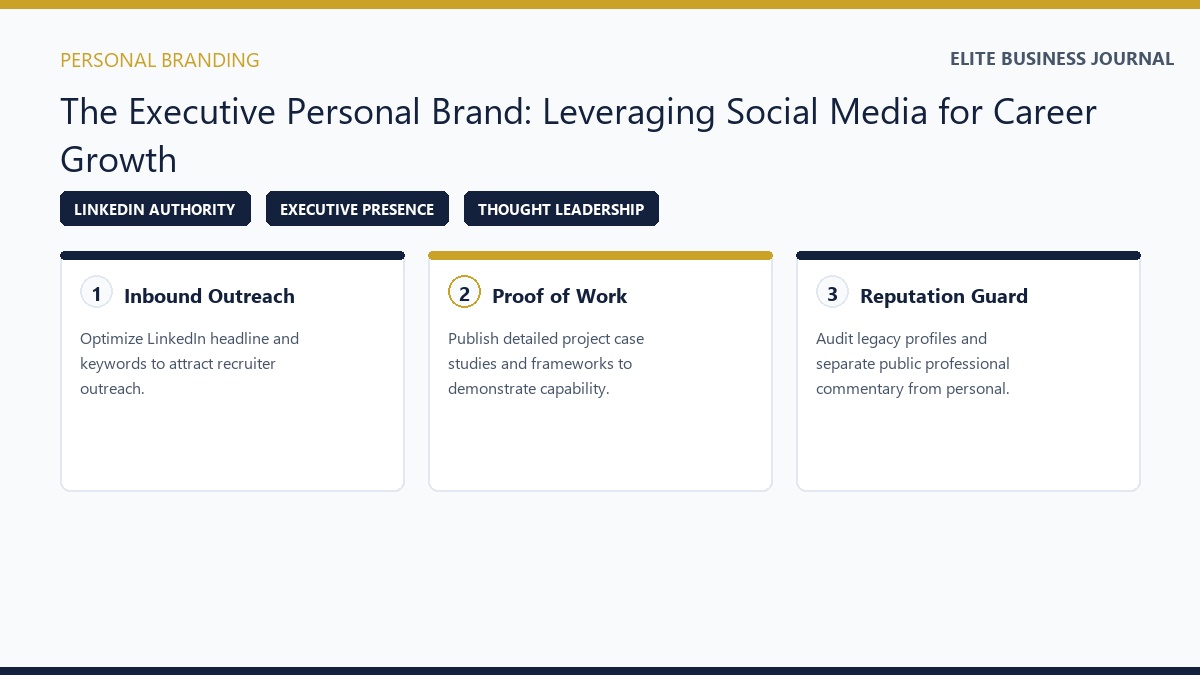
Most employers check your social media before they hire you. Studies show that 7 to 9 out of 10 companies look at your Facebook, Instagram, LinkedIn, and Twitter accounts. This is real. It matters for your job search.
Social media can help you get hired. It can also cost you a job what you post online stays there forever. Employers see it all.
This guide shows you exactly how social media impacts your job prospects. You will learn what employers look for, what posts hurt your chances, and how to use social media to land better jobs.
Why Employers Check Your Social Media
Hiring has changed. Five or ten years ago, employers only looked at resumes and called your references. Now they search for you online first.
Around 70 percent of recruiters use LinkedIn to find candidates. Facebook, Twitter, and Instagram are also popular. Even TikTok is starting to matter.
Why did this happen? Social media became really popular. Almost everyone has an account now. It became cheap and easy for companies to screen lots of people quickly. They type your name into Google and see what pops up. The trend is only getting stronger.
Employers have four main reasons for checking your social media.
First, they verify information. They want to make sure you are telling the truth on your resume. If you claim you worked at a company, they check your social media to see if it matches what you posted.
Second, they want to know if you fit their culture. A startup might want employees who seem fun and innovative. A law firm might want people who seem serious and professional. Your social media shows your personality.
Third, they check your communication skills. How you write online tells them how well you will communicate at work. Posts full of errors and negativity are a red flag.
Fourth, they find people they were not even looking for. Some companies search for people with certain skills on LinkedIn. They reach out to someone who never applied. This is called passive recruitment. You do not apply. They find you.
What Can Ruin Your Job Chances
Some posts can destroy your job prospects completely. You need to know what employers hate to see.
Posts about drugs and alcohol are big problems. Photos of you drinking heavily or using drugs will make employers nervous. They worry you might show up to work impaired. Even if you are of legal age, companies do not want employees with substance issues.
Hate speech and discriminatory comments are automatic disqualifiers. If you post racist, sexist, or mean comments about any group, most employers will not hire you. This shows your character. Companies do not want to be associated with people who promote hate.
Excessive party photos send the wrong message. You can have fun. But if every other photo shows you drunk at parties, employers question your judgment and maturity.
Unprofessional language is a problem too. If you constantly swear in your posts or use crude slang, you look unprofessional. Employers will read everything you write.
Political rants and controversial opinions can hurt you. We all have political beliefs. But posting extreme opinions can offend potential employers. They worry that controversial employees might create problems at work.
Here is a real example. A teacher in California posted drunk photos from parties. The school district found the photos and did not hire her. She lost a job before she even started. Another person posted racist jokes on Twitter. A company offered her a job. Then they searched her Twitter account. They found the old racist jokes and took back the offer. The job was gone.
These stories happen to real people every day. Your social media past can follow you for years.
Lying on your resume is bad. Lying on your social media makes it worse.
Say you tell a company you worked at a bank for five years. But your social media shows you were traveling around the world during that time. Employers will not trust you.
Exaggerating your job title is another common mistake. You were an intern, but you tell employers you were a junior analyst. Then your Instagram shows photos from intern tasks. That is lying. Companies have tools to verify information. They cross check dates, job titles, and company names. Once they catch you lying, you are done.
How you write online also matters. Grammar mistakes and spelling errors make you look careless. Posts that are unclear or rambling suggest poor thinking skills. A negative tone hurts you too. If most of your posts complain or criticize, employers see you as someone difficult to work with.
Never criticize your old boss or company on social media. This is one of the biggest mistakes job seekers make. When you publicly trash a former employer, companies think you will do the same thing to them. Good employees keep work problems private. When you badmouth a company, you show poor judgment.
You might think your posts are private. But privacy settings are tricky. What you thought was hidden might actually be public. Platform settings change all the time. Facebook updates privacy controls. Instagram changes what is visible. People with access can still take screenshots. Nothing is truly private on the internet.
A locked profile might also seem suspicious to employers. If your account is completely hidden, some companies wonder what you are hiding. A better strategy is to keep some professional content public while making personal stuff private.
How Social Media Can Help You Get Hired
LinkedIn is your most important social media platform for jobs. It is where hiring managers and recruiters spend their time.
A strong LinkedIn profile gets you noticed. Recruiters search LinkedIn for people with specific skills. If your profile is complete and well written, they will find you. You might get job offers you never applied for.
Building connections is powerful. When you connect with people in your industry, opportunities come to you. Someone in your network might know about a job opening and recommend you to their company.
Recommendations and endorsements show that real people value your skills. When coworkers recommend you, employers believe it more than when you say it about yourself. Ask former coworkers to write short recommendations about working with you.
Publishing articles on LinkedIn shows expertise. You do not have to be famous to write. Share what you know about your industry. Comment on trends. Give advice. This makes you look like an expert.
Your LinkedIn headline matters. Instead of just saying “Marketing Manager,” say something more specific like “Marketing Manager Helping Small Businesses Grow Their Customer Base.” This helps recruiters find you. Statistics show that people with strong LinkedIn profiles are hired up to 3 times faster than those with weak profiles.
Different platforms work for different careers.
Quick Guide based on the Industry
| Platform | Best For |
|---|---|
| All professionals, especially in corporate and traditional fields | |
| Photographers, designers, artists, and creative professionals | |
| GitHub | Developers and programmers |
| YouTube | Content creators, teachers, and coaches |
| Behance | Graphic designers and visual artists |
| TikTok | Gen Z candidates and creative industries |
A strong portfolio beats a resume every time. Companies in creative fields care more about what you have actually created than your degrees. Show them your actual work. Quality matters more than quantity. Five amazing projects beat fifty mediocre ones.
You can also become known as an expert in your field. Share valuable information and insights. If you work in marketing, share tips that help people market better. If you are in finance, share strategies for managing money. People follow experts who help them.
Comment thoughtfully on industry news and trends. When major things happen in your field, add your perspective. Show that you understand what is happening. Write posts or articles about topics you know well. You do not have to be perfect. You just need to be helpful and genuine.
Recruiters actively search for candidates on social media. LinkedIn recruiter searches use specific keywords. If a recruiter searches for “Python developer in Austin,” your profile needs to have those exact words. Use industry terms in your profile that match what companies search for.
Industry groups on Facebook and LinkedIn share job postings. Join groups where people in your field hang out. Some jobs are posted only in groups, not on major job boards. Many companies post jobs directly on their Instagram, TikTok, and Facebook pages. Follow the companies you want to work for. Turn on notifications so you see their posts immediately.
Different Industries Have Different Rules
If you work in design, photography, art, or media, social media is your portfolio. Companies expect you to have a strong online presence. Creative companies almost always check Instagram and Behance before they hire. You should have a unique style that people recognize. When employers see your account, they should immediately understand what you do and how good you are.
Technology companies want to see your actual skills. A GitHub account with real code matters more than a resume. Developers should contribute to open source projects. Companies see this as proof you can code. A tech blog shows you can explain complex ideas. Stack Overflow reputation is valuable too. This is a site where programmers answer questions. A good reputation means you are helpful and knowledgeable.
Banks, law firms, and government agencies are more conservative. They care more about professionalism than personality. LinkedIn dominates in these fields. A strong LinkedIn profile is often enough. Be careful with personal social media in traditional fields. Anything wild or controversial hurts you more in traditional fields than in startups.
Marketing people must know social media. Companies expect marketing hires to be active and smart about social platforms. Your social media is part of your work portfolio. Companies look at how you engage, what you post, and who follows you. They want to see strategic thinking about content. Employers expect better writing, better photos, and more thoughtful content from marketing people.
How to Clean Up Your Social Media Right Now
Start right now. Search your name on Google. See what comes up. What employers will find is what Google shows on the first few pages.
Anything with inappropriate content should be removed. Posts with bad language, drugs, excessive drinking, or mean comments need to go. Delete them completely. Do not just hide posts. Deleted posts are much harder to find.
This cleanup takes time. Set aside a weekend. Go through your accounts carefully. You might spend a few hours, but this protects your career.
After you clean up, commit to posting better content going forward. Check privacy settings on every platform right now. Do not assume you know what is private and what is public.
On Facebook, set your profile to private. Make it so that only your friends can see your posts. On Instagram, the public is fine if your content is professional. On Twitter, your tweets are public by default. You cannot change that. So think carefully before you tweet.
Check these settings every six months. Platforms change what they do. What was private might become public when they update their settings.
Use keywords that relate to your job. If you want to work in social media marketing, use phrases like “social media strategy” and “content marketing” in your posts. This helps recruiters find you.
Be authentic. Post real thoughts and insights, not fake corporate speak. People can tell when you are being fake. Genuine is better than polished.
Use a professional photo across all platforms. This should be a clear headshot where you look friendly and professional. You will use this photo for years, so it is worth investing in a good one.
On LinkedIn, fill out every section. List all your jobs. Write about what you accomplished in each one. Ask for recommendations. These recommendations matter when employers look at your profile.
What Employers Actually Look For
Employers love candidates who seem knowledgeable about their industry. Post things that show you understand your field.
Achievements and accomplishments stand out. Completed a project? Talk about it. Won an award? Share it. Hit a business goal? Post about it. This proves you deliver results.
Active engagement in your industry community looks good. Commenting on others’ posts, attending events, and joining professional groups show you care about growing in your field.
Volunteer work and community involvement show character. If you spend time helping others, employers respect that. It shows you are a good person.
Employers immediately reject candidates who post inappropriate content. Drug use, excessive drinking, and hate speech are automatic nos. Dishonesty is a killer. If anything on social media contradicts your resume, you are done. Badmouthing previous employers tells the new employer that you will badmouth them too.
Some things are not clear cut. Political opinions are one example. You can post about politics, but extreme views might hurt you. Religious content is similar. Some companies are okay with it. Others might judge you. Think about your industry before you post. Family life and personal hobbies are generally fine. Employers like seeing that you have a balance outside work. It makes you human.
Your Legal Rights
Employers have some legal limits on how they use social media for hiring. In some places, employers cannot consider protected characteristics. These include race, religion, age, disability, and family status. If they reject you because of one of these things, that is illegal.
But most employers can look at whatever you post about anything else. They can judge your character. They can assess your fit for the job.
Europe has stricter privacy laws. GDPR rules limit what companies can do with personal information. The United States has weaker privacy protections for job applicants. Some states have better protections than others.
You have the right to know if a company used a third party service to screen your social media. If you believe a company rejected you illegally, you can file a complaint. Document everything if you think you were treated unfairly. Keep records of the job posting and your application.
What Is Coming Next
Technology is changing how companies screen candidates. Artificial intelligence is now automatically scanning social media posts. These systems look for red flags without a human reviewing your profile.
This is both good and bad. Good because humans with biases do not make the decision. Bad because AI can make unfair decisions too. Programs can be biased. They might reject good candidates by mistake.
Video is becoming more important. TikTok and YouTube are growing fast. Companies are increasingly looking at video content. You might need to show up more on video platforms.
Privacy regulations will probably get stricter. Europe is already ahead of the United States. More laws might limit what companies can see and use. Generation Z has different attitudes about social media. They are more careful about what they post. Companies will have to adapt to hire younger workers.
10 Step Action Plan
- Search your name on Google right now. Fix anything bad that shows up.
- Delete old problematic posts on all platforms. Give yourself a clean slate.
- Take a professional photo. Use it on LinkedIn at a minimum.
- Complete your LinkedIn profile fully. Write a real summary. List all your jobs with accomplishments.
- Start posting good content. Post once a month on LinkedIn. Share industry insights.
- Use privacy settings smartly. Keep personal stuff private. Keep professional stuff public.
- Engage with other people’s content. Like and comment on posts from people in your field.
- Check your social media every month. Delete anything questionable. Fix problems quickly.
- Keep your resume and social media consistent. Same dates, same job titles, same story.
- Ask people to recommend you on LinkedIn. These recommendations matter when employers look at your profile.
Final Thoughts
Social media is now part of the job search. Employers check it. There is no way around that.
The good news is that you control your social media. You decide what to post. You decide what to hide and you decide how to present yourself.
Start by fixing your current profiles. Clean up old posts. Take a professional photo. Write good bios and summaries. Then commit to better posting going forward. Share content that makes you look professional. Build your personal brand.
Remember that everything you post online is permanent. Assume your boss will see it. Assume a potential employer will see it.
This does not mean being boring or fake. It means being smart. You can be interesting and professional at the same time.
Audit your profiles today. The time you spend now could save your career later. Your next job is waiting. Make sure your social media helps you get it.