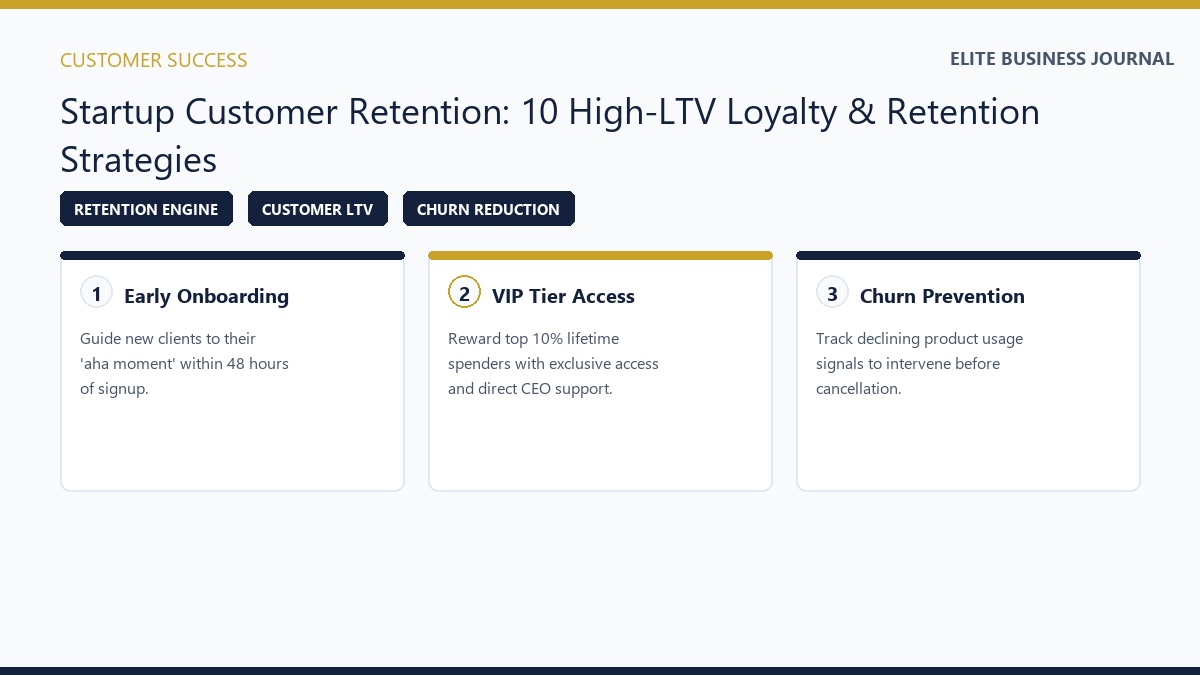
Acquiring a new customer costs five times more than keeping an existing one. Yet most startups spend 80% of their marketing budget chasing new leads while ignoring the people who already bought from them. That is a costly mistake.
Customer loyalty is not just a feel-good concept. It directly affects your revenue, your growth rate, and your ability to survive as a startup. Loyal customers buy more often, spend more per purchase, and tell their friends about you. They are your most valuable asset.
This article gives you 10 real, proven strategies to build customer loyalty as a startup. These are not theories. They are practical steps that small teams with limited budgets can use starting today.
Strategy 1: Deliver a First Experience They Will Never Forget
The first experience a customer has with your brand sets the tone for everything that follows. If it is smooth, fast, and pleasant, they will come back. If it is confusing or disappointing, they will not give you a second chance.
Think about every step a new customer takes. From the moment they land on your website to the moment they receive their product or service, every touchpoint matters. Fix any friction in the process before you spend money on ads or growth campaigns.
A simple welcome email, a personal thank you note, or a quick follow up message can make a big difference. These small touches show customers that you care about them as people, not just as transactions. First impressions create the foundation for long term loyalty.
Strategy 2: Build a Simple and Rewarding Loyalty Program
A loyalty program gives customers a reason to come back. Points, rewards, discounts, or exclusive perks all work well when they are easy to use and actually valuable. The keyword here is simple. If customers cannot figure out how to earn or use their rewards, the program fails.
You do not need a big budget or fancy software to start. A simple punch card system, a tiered discount program, or a points system tied to purchases can work well for early stage startups. Many affordable tools like Smile.io or LoyaltyLion let you set up a basic program quickly.
Make the rewards feel worth the effort. A 1% discount on a $50 purchase is not exciting. A free product, early access to new features, or a meaningful discount after a few purchases gives customers something to look forward to. The goal is to make loyalty feel like a benefit, not a burden.
Strategy 3: Make Customer Service Faster Than They Expect
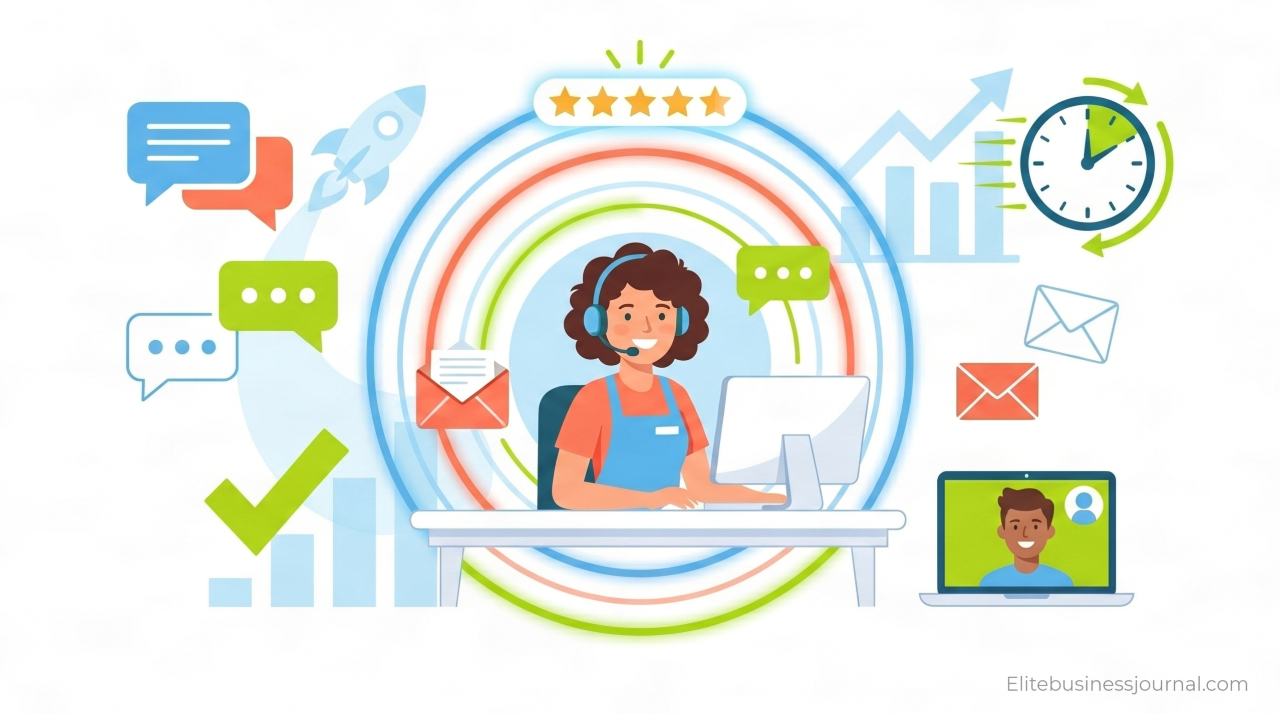
Speed is one of the biggest drivers of customer loyalty. When someone has a problem and you fix it fast, they often become more loyal than customers who never had a problem at all. This is called the service recovery effect, and it is very real.
Set a standard for your team. Respond to emails within a few hours. Answer social media messages the same day. Make it easy for customers to reach you through multiple channels like email, chat, or phone. The easier you are to reach, the more trust you build.
Train your support team to solve problems without unnecessary back and forth. Give them the authority to issue refunds, replacements, or credits without needing approval from a manager every time. Fast, empowered customer service turns frustrated customers into loyal fans.
Strategy 4: Personalize Every Interaction You Can
Customers notice when you treat them like a number. They also notice when you treat them like a person. Personalization does not mean using someone’s first name in an email subject line. It means showing that you actually know what they care about.
Use your customer data to send relevant recommendations, birthday messages, or re-engagement offers based on purchase history. If a customer bought a specific product three months ago, reach out with a related product or a reminder to restock. These small touches make customers feel seen.
Tools like Klaviyo, HubSpot, or even basic CRM platforms make personalization possible for startups at low cost. You do not need to personalize everything at once. Start with your email sequences and your top customer segments. Build from there as you grow.
Strategy 5: Ask for Feedback and Actually Use It
Most startups ask for feedback and do nothing with it. Customers see this pattern quickly. When they give their time to share opinions and nothing changes, they stop trusting you. Asking for feedback without acting on it is worse than not asking at all.
Set up a simple post purchase survey. Ask two or three focused questions about the experience. Read the responses. Group them by theme. Then make real changes based on what you learn. When you do make a change based on customer feedback, tell your customers about it.
A message like “We heard you. We made a change.” is incredibly powerful. It shows that you listen and that customer opinions shape your product or service. This builds a strong emotional connection that is very hard for competitors to break.
Strategy 6: Create a Community Around Your Brand
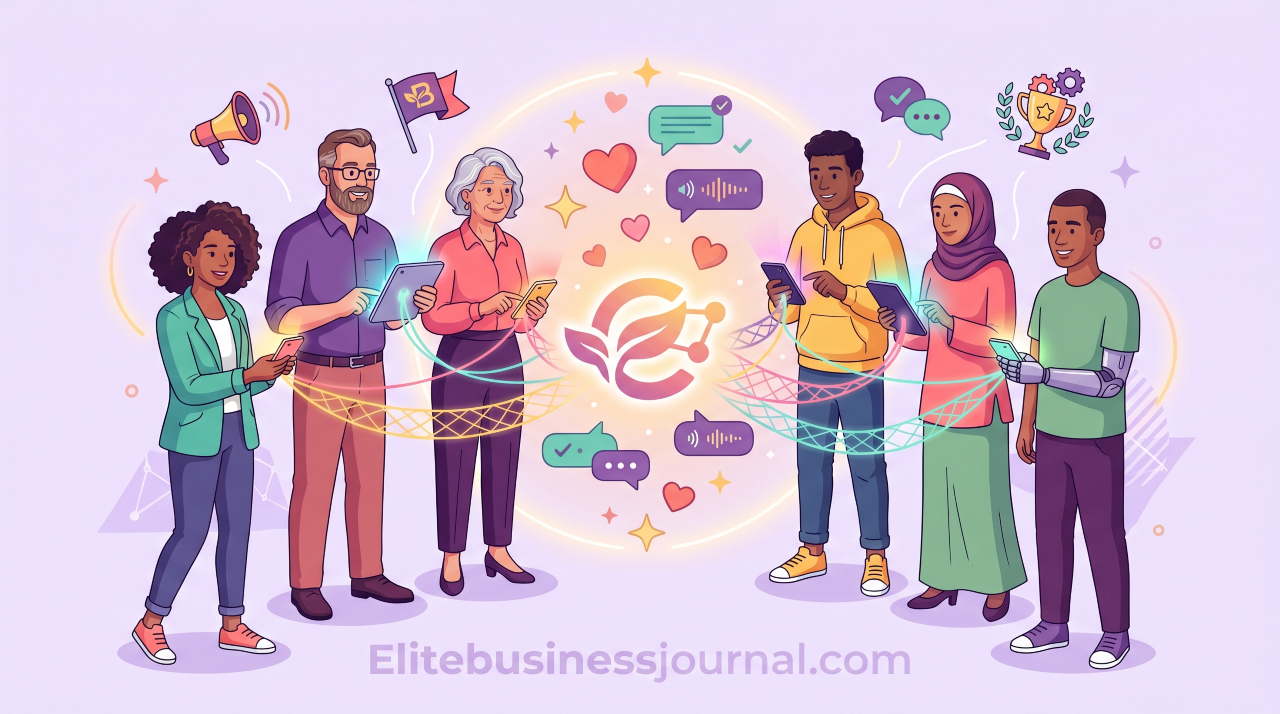
People are loyal to communities, not just products. When customers feel like they belong to something bigger than a transaction, they stick around longer and engage more deeply. Building a community around your brand is one of the most cost effective loyalty strategies available to startups.
This could be a private Facebook group, a Slack channel, a Discord server, or even a simple forum on your website. The format matters less than the content and the feeling inside the community. Give members exclusive access, early announcements, or spaces to connect with each other.
Encourage members to share their experiences, ask questions, and support each other. When customers help other customers, they become invested in your brand’s success. The stronger the community, the harder it is for a competitor to pull your customers away.
Strategy 7: Use Email Marketing to Stay Top of Mind
Email is still one of the highest return channels for customer retention. For every dollar spent on email marketing, the average return is around $36. That is a number that no startup can afford to ignore. The key is sending emails that are actually useful, not just promotional.
Create a simple email calendar. Send a welcome series to new customers. Follow up after purchases. Share helpful tips related to your product. Celebrate milestones like anniversaries or order numbers. Mix value driven content with promotional offers at a ratio of about three to one.
Segment your list based on behavior. Customers who bought twice should get different messages than customers who bought once. Customers who have not opened an email in 90 days should get a re-engagement campaign. Relevant emails get opened. Irrelevant emails get ignored or deleted.
Strategy 8: Reward Referrals Generously
Word of mouth is the most trusted form of marketing. When a loyal customer tells a friend about your brand, that friend is far more likely to buy and stay than someone who clicked on an ad. Referral programs turn your happiest customers into your best salespeople.
Make it easy to refer. Give customers a simple link or code they can share. Offer a reward that feels genuinely valuable to both the referrer and the new customer. A cash discount, store credit, or free product works better than a small percentage off a future purchase.
Track every referral carefully. Know which customers are sending the most new business your way. These are your brand advocates, and they deserve special attention. Send them a personal thank you. Invite them to a VIP group. Make them feel like the heroes they are to your business.
Strategy 9: Be Transparent When Things Go Wrong
Every startup makes mistakes. Products arrive late. Services fail. Billing errors happen. What separates loyal customers from lost ones is how you handle those moments. Customers do not expect perfection. They do expect honesty.
When something goes wrong, communicate fast. Tell customers what happened, why it happened, and exactly what you are doing to fix it. Do not hide behind corporate language or vague apologies. Be direct, be clear, and be genuinely sorry. Take responsibility without making excuses.
Follow up after the fix. Check in to make sure the customer is satisfied. Offer a meaningful gesture like a discount or a free add on to show that you take the situation seriously. Customers who feel respected during a crisis often become your most loyal long term buyers.
Strategy 10: Measure Loyalty and Improve Continuously
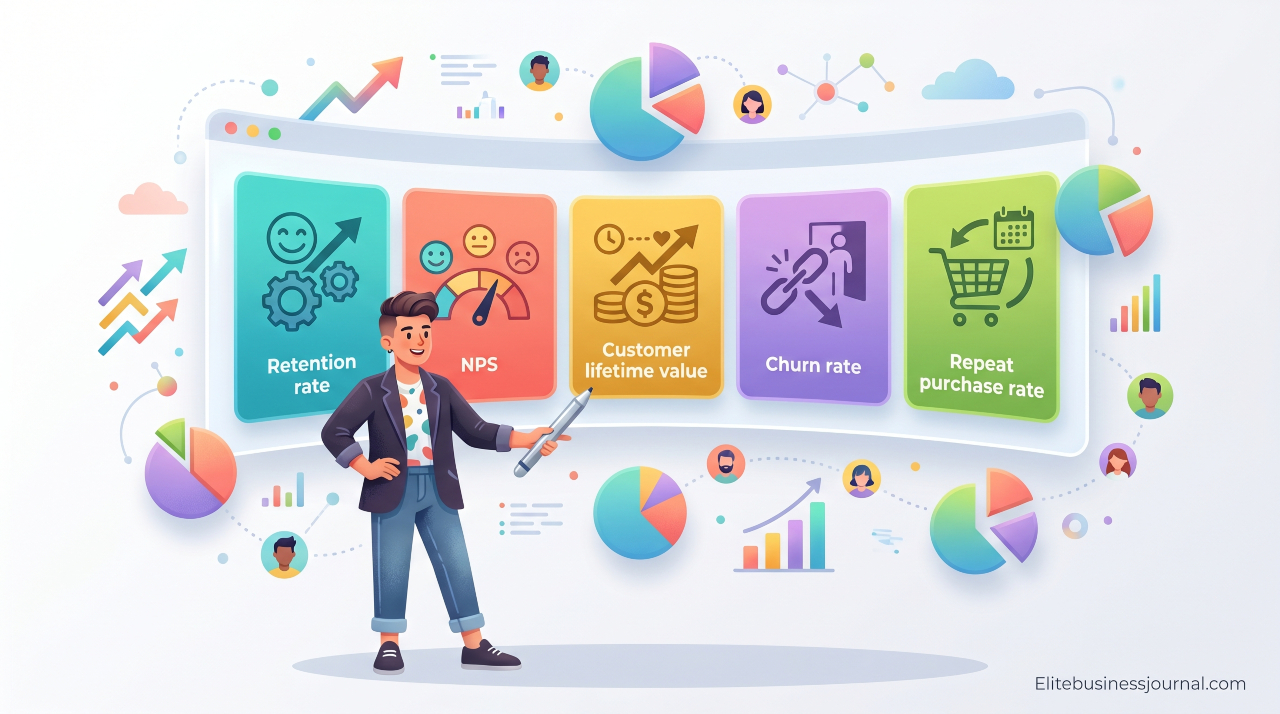
You cannot improve what you do not measure. Many startups track acquisition metrics obsessively but ignore retention data. To build real loyalty, you need to know your numbers and act on them regularly.
Here are the key metrics every startup should track:
| Metric | What It Tells You |
|---|---|
| Customer Retention Rate | Percentage of customers who return after their first purchase |
| Net Promoter Score (NPS) | How likely customers are to recommend your brand |
| Customer Lifetime Value (CLV) | Total revenue a customer generates over time |
| Churn Rate | The percentage of customers who stop buying |
| Repeat Purchase Rate | How often do customers come back |
Review these numbers monthly. Set targets. Test new approaches. When something works, do more of it. When something does not work, change it quickly. Continuous improvement is the engine behind lasting customer loyalty.
Why Loyalty Matters More in the Early Stage
When you are a startup, every customer counts. You do not have the luxury of high margins, massive ad budgets, or years of brand recognition. What you do have is the ability to be nimble, personal, and genuinely attentive in ways that large companies cannot match.
Loyal customers do not just come back. They bring friends, leave reviews, defend your brand online, and forgive your mistakes more easily. They reduce your dependence on paid advertising and give you predictable revenue that makes planning easier. Over time, a strong base of loyal customers becomes a competitive advantage that is very difficult to copy.
The strategies in this article are not about tricks or shortcuts. They are about building real relationships with real people. That takes time and consistency, but the payoff is enormous. Startups that invest in loyalty early grow faster, spend less on acquisition, and build businesses that last.
Common Mistakes Startups Make With Customer Loyalty
Even well intentioned startups make mistakes that push loyal customers away. Knowing these pitfalls can save you a lot of time and money. The biggest mistake is treating loyalty as a campaign instead of a culture. Loyalty is not a feature you switch on. It is a result of consistent, honest, customer focused behavior over time.
Another common mistake is building a loyalty program that is too complicated. If customers need a tutorial to use your rewards system, it is already broken. Keep it simple, keep it clear, and keep it valuable. The third mistake is ignoring customers once they are acquired. Startups often chase the next new customer while forgetting the ones they already have. That is where the real money is being left on the table.
How to Start Building Loyalty Today Without a Big Budget
You do not need a lot of money to start building customer loyalty. Many of the most effective strategies cost little more than time and attention. Start with the basics. Send a personal thank you email to every new customer this week. Read your last ten customer support tickets and look for patterns you can fix.
Pick one strategy from this article and commit to it for 30 days. Measure the results. Then add another. Building loyalty is a long game, but it compounds over time. The startup that wins customer loyalty early creates a business that becomes very hard to compete against.
Small actions done consistently create big results. That is not a motivational statement. That is a business fact backed by data from thousands of successful companies.
Loyalty Is Your Startup’s Biggest Growth Lever
Retention is more powerful than acquisition at almost every stage of a startup’s growth. The numbers prove it. The strategies in this article give you a clear path to building a loyal customer base, even with a small team and a tight budget.
Start with one or two strategies. Be consistent. Measure what happens. Then build from there. The startups that win in the long term are not always the ones with the biggest budgets or the most innovative products. They are the ones that make customers feel valued, heard, and respected every single time.