Almost 20% of small businesses fail in their first year. One of the biggest reasons is not a bad product or poor service. It is running out of money. Cash flow problems sink businesses that could have survived with the right funding in place.
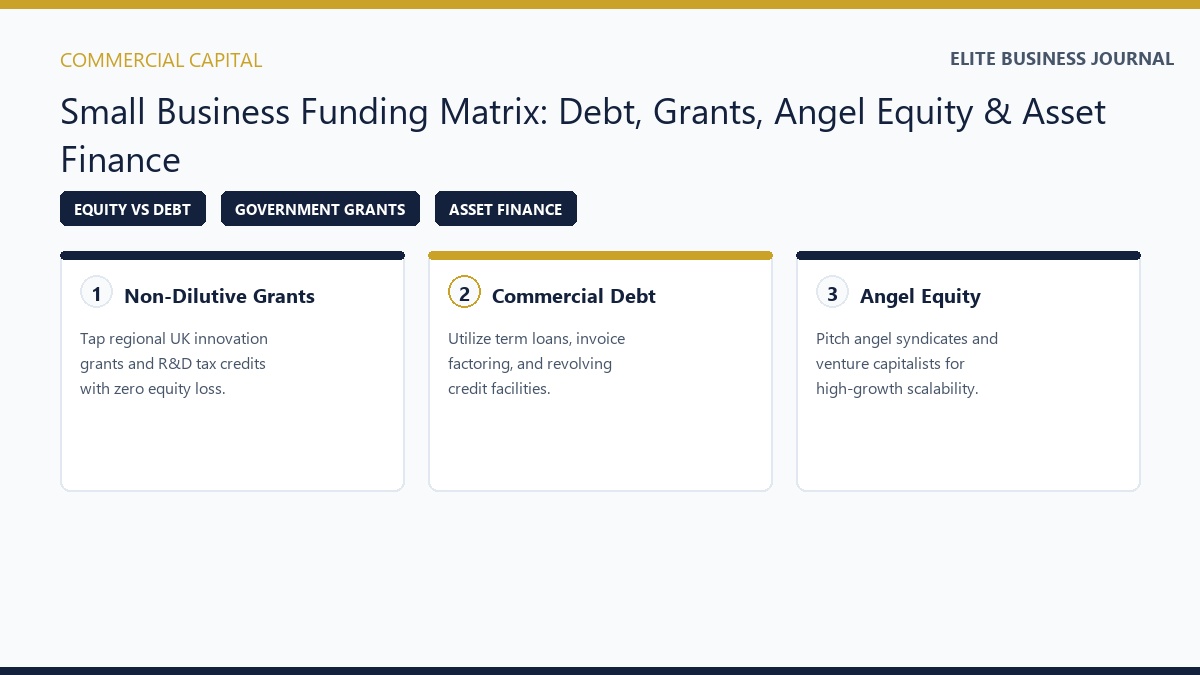
The good news is that there are more ways to fund a small business today than at any point in history. Some options take minutes to apply for. Others take months. Some cost you interest. Others cost you a piece of your company. Knowing which path fits your situation can save you time, money, and a lot of stress.
This guide covers every major funding option available to small business owners. You will learn about loans, grants, investors, crowdfunding, and more. Each section gives you real information so you can make a smart decision. No fluff. No empty promises. Just practical steps you can act on today.
Know How Much Money You Actually Need Before You Apply for Anything
Most business owners make one of two mistakes when seeking funding. They ask for too little and run out of money halfway through. Or they ask for too much and struggle to pay it back. Getting your number right from the start matters more than most people realize.
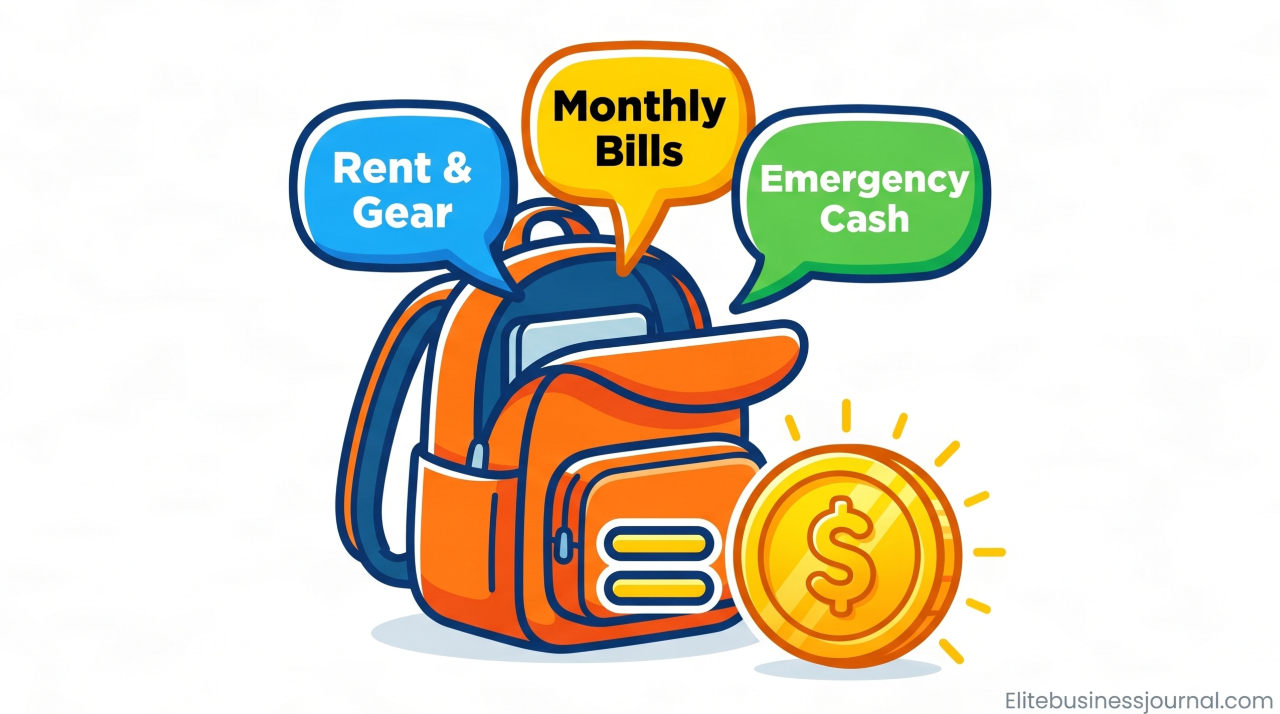
Start by listing every cost your business will have. Think about rent, equipment, inventory, insurance, marketing, software, payroll, and a website. Split these into two groups — one time startup costs and ongoing monthly costs. Both numbers are important. A lender or investor will want to see both.
Once you have your total, add at least 20% on top of it. Things almost always cost more than you expect. A buffer protects you from small disasters that can derail a brand new business. After that, write it all down. Saying you need “around $40,000” is not good enough. A specific, written number shows lenders you are serious and prepared.
Use Your Own Money First — Here Is Why That Makes Sense
Bootstrapping means using your own savings or income to fund your business. No debt. No investors. No giving up ownership. For many small businesses, it is the best place to start.
The biggest benefit of bootstrapping is control. When no one else puts money in, no one else gets to tell you what to do. You make every decision. You keep every dollar of profit. That independence is worth a lot, especially in the early days when you are still figuring out how everything works.
Practical ways to bootstrap include cutting personal expenses and putting that extra money into the business, taking on freelance work to build a startup fund, or selling assets you no longer need. Starting small and growing slowly is not a failure. It is a smart strategy used by many successful companies. That said, some businesses simply need more capital than one person can save. If that is your situation, the next sections will give you solid options.
Small Business Loans: What They Are and How to Get One
A bank loan is one of the most common ways to fund a small business. A lender gives you a lump sum of money, and you pay it back over time with interest. Bank loans usually offer lower interest rates than most other options, but they are also harder to qualify for.
Banks look at several things before approving a loan. Your personal credit score matters a lot. Most traditional banks want to see a score of 680 or higher. They also look at your time in business, your annual revenue, and whether you have collateral — something of value like equipment or property that backs the loan. A written business plan is almost always required.
If a big national bank turns you down, try a local community bank or credit union. They tend to be more flexible with small business applicants. Online lenders like Fundbox or OnDeck are another option. The approval process is faster, but the interest rates are higher. Getting denied by one lender is not the end. Ask what held your application back, fix those things, and apply again in a few months.
SBA Loans: One of the Best Funding Options for Small Business Owners
The Small Business Administration does not lend money directly. Instead, it guarantees a portion of a loan made by an approved bank or lender. That guarantee reduces the lender’s risk, which makes it easier for small business owners to get approved. Visit SBA.gov to find approved lenders near you.
The most popular option is the SBA 7(a) loan. It can be used for working capital, equipment, real estate, and business expansion. Loan amounts go up to $5 million. Repayment terms stretch up to 10 years for working capital and up to 25 years for real estate. Interest rates are regulated, which keeps them lower than what most private lenders charge.
The SBA microloan program is a strong choice for newer businesses. These loans go up to $50,000 and are designed for small companies that are just getting started. Many microloan programs also include business coaching and training, which can be just as valuable as the money itself. Plan ahead when applying for any SBA loan. The process takes longer than a standard bank loan — sometimes several weeks to a few months.
Business Grants: Real Free Money for Small Business Owners
A business grant is money you do not have to pay back. It sounds almost too good to be true, but grants are real. They come from the federal government, state agencies, nonprofits, and large corporations that want to support small business growth.
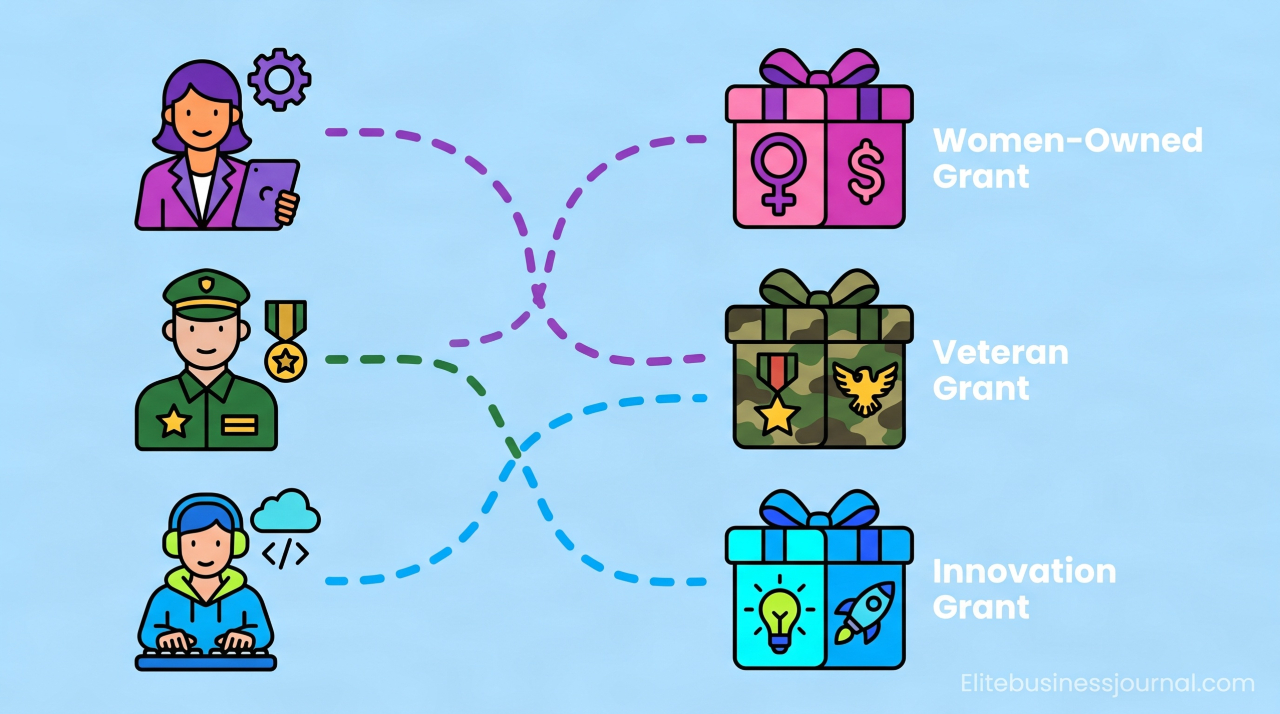
The catch is that grants are competitive and tied to specific criteria. Many target women owned businesses, minority owned businesses, veteran owned businesses, or companies in specific industries. Reading the eligibility rules carefully before applying will save you a lot of wasted effort. Start your search at Grants.gov for federal opportunities, and check your state government’s website for local programs.
Corporate grants are another strong avenue. Companies like FedEx, Visa, and Amazon have all launched small business grant programs. These change from year to year, so search for current ones. When you apply for any grant, be specific. Explain what your business does, exactly how you will use the money, and what impact the funding will have. Vague applications rarely win. Apply for several at the same time to improve your chances, and treat each application seriously.
Angel Investors: Getting Funding From People Who Believe in Your Business
Angel investors are wealthy individuals who invest their own money in early stage businesses. In exchange, they usually receive equity — a percentage of ownership in your company. They are different from banks because they take a risk on businesses that might not qualify for a loan yet.
What angel investors want to see goes beyond numbers. They want a strong business idea with a real market. They want to see that you know your customers, your competition, and your path to profit. They are also investing in you as a person. Your commitment, your knowledge, and your passion all factor into their decision.
Finding angel investors takes effort. Look for angel investor networks in your city or state. Platforms like AngelList connect entrepreneurs with potential investors online. The best approach, though, is a warm introduction through your existing network. Ask your accountant, lawyer, or business contacts if they know anyone who invests in small businesses. A personal referral gets more attention than a cold message. Before you take any investor money, think hard about how much ownership you are willing to give up. Once equity is gone, you do not get it back.
Crowdfunding: How Everyday People Can Help Fund Your Business
Crowdfunding means raising small amounts of money from a large number of people, usually through an online platform. Instead of asking one bank for a large loan, you ask hundreds or thousands of people for smaller amounts. It works especially well for businesses with a great story or a unique product.
The most common type for small businesses is reward based crowdfunding. Platforms like Kickstarter and Indiegogo let you offer a product or experience in exchange for pledges. People back your idea before it is even built. Equity crowdfunding is different — platforms like Wefunder let regular people invest in your company in exchange for a small ownership stake. Learn more at Kickstarter.com.
A successful crowdfunding campaign does not happen by accident. You need a compelling video, a clear explanation of what the money will do, and a realistic funding goal. Promotion is the key factor most people underestimate. The campaigns that hit their goals are usually the ones that spent weeks building an audience before the campaign even launched. Crowdfunding is real work. Go in prepared and it can be a powerful funding tool.
Microloans: Small Loans With Big Impact for New Business Owners
A microloan is a small loan, usually under $50,000, designed for new or very small businesses. They come from nonprofit lenders, community organizations, and the SBA microloan program. They are a solid middle ground for someone who does not yet qualify for a bank loan but needs more money than they can save on their own.
Microlenders often look at the full picture of an applicant rather than focusing only on credit scores. That makes microloans more accessible to first time business owners, people rebuilding their credit, and entrepreneurs in underserved communities. Many programs specifically serve women, minorities, and veterans. Accion Opportunity Fund is one of the largest and most respected microlenders in the United States. Kiva is another platform worth looking at — they offer zero interest microloans funded by individual lenders around the world.
Business Credit Cards and Lines of Credit: Flexible Funding for Day to Day Needs
A business credit card is one of the simplest tools for managing small expenses. It keeps personal and business spending separate, helps build your business credit history, and often comes with cash back or rewards. Use it for recurring purchases like software, supplies, and travel. Pay the full balance every month to avoid high interest charges eating into your profit.
A business line of credit works differently from a loan. You get access to a set amount of money and only draw from it when you need it. You only pay interest on what you actually use. It is ideal for covering gaps in cash flow — those weeks when clients are slow to pay but your bills are still due. Rates are typically lower than a credit card, making it a smarter choice for larger short term needs.
The most important thing to remember with both options is discipline. Carrying a credit card balance month to month gets expensive fast. Only use these tools for expenses you can pay back quickly. Building a strong business credit score over time will get you access to better rates and higher limits down the road.
Borrowing From Friends and Family: What You Need to Know Before You Ask
Friends and family are often willing to help when a bank says no. There is no credit check, no lengthy application, and no collateral required. For many early stage businesses, people close to the owner are the first real source of outside money.
The risk is just as real as the benefit. If your business struggles and you cannot repay the loan, the relationship can be permanently damaged. Be brutally honest with yourself before you ask. Think about whether that relationship could survive a worst case scenario. If the answer is no, look at other options first.
If you do go this route, treat it like a real business transaction. Write a simple loan agreement that clearly states the amount, the repayment schedule, and the interest rate. Having it in writing protects everyone involved and removes any confusion later. Be transparent about the risks. Let the other person make an informed choice rather than painting an overly optimistic picture of your chances.
Get Your Business Ready Before You Ask for Money
Preparation separates the business owners who get funded from the ones who get turned away. Getting your financial house in order before you apply for anything is one of the best investments of time you can make.
Start by building your business credit. Open a business bank account, get a business credit card, and pay every bill on time. Register with Dun and Bradstreet to start creating a formal business credit file. A strong business credit profile opens more doors and leads to better terms. Next, write a business plan. It does not have to be long, but it needs to cover your business description, your target market, your competition, your revenue model, and your specific funding needs. Lenders and investors use your plan to decide whether to trust you with their money.
Gather your financial documents early. That means two years of personal and business tax returns, recent bank statements, a profit and loss statement, and a basic balance sheet. Know your numbers cold. Be ready to explain your revenue, your expenses, your margins, and your growth rate without hesitating. Stumbling over your own financials sends the wrong message to anyone evaluating your application. Practice talking about your business clearly and confidently. Two minutes. No notes. That level of preparation signals that you are serious and ready.
How to Pick the Right Funding Option Without Making a Costly Mistake
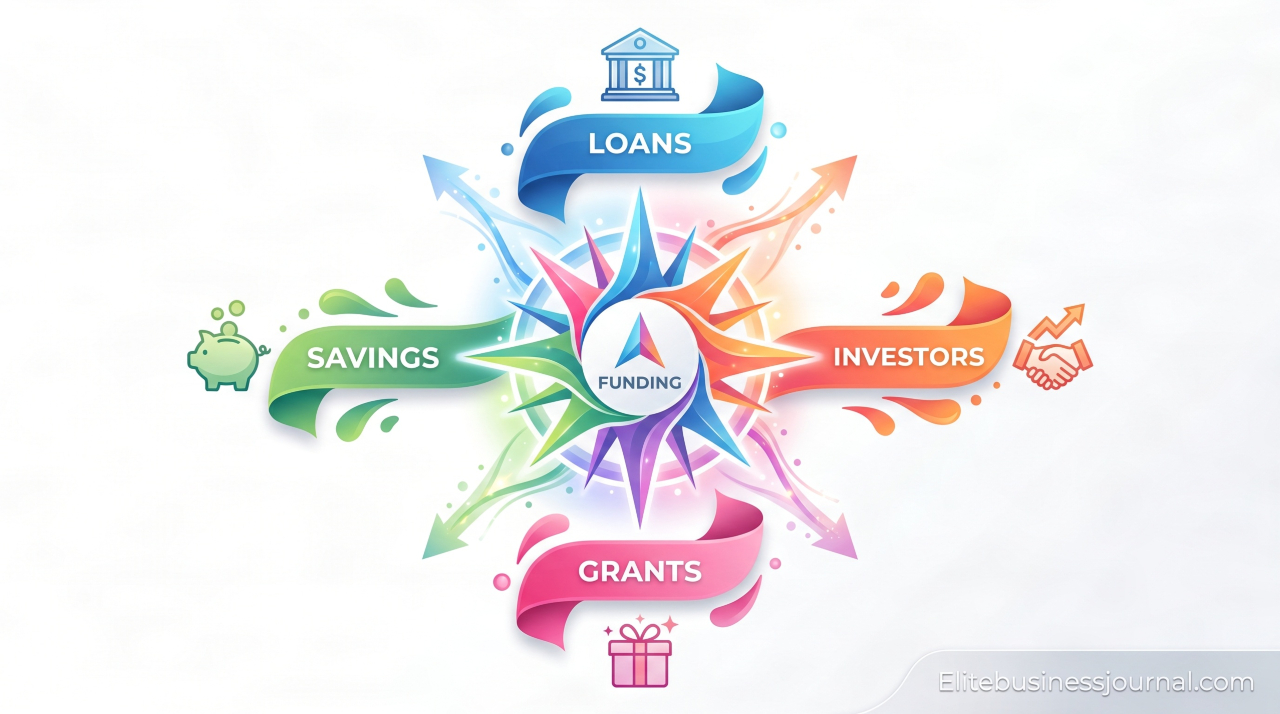
With so many options available, choosing the right one comes down to three things — your business stage, what you are willing to give up, and how much risk you can handle.
A brand new business with no revenue has different options than one that has been operating for three years. Brand new businesses can pursue microloans, grants, crowdfunding, personal savings, and friends and family. More established businesses with consistent revenue may qualify for bank loans, SBA loans, lines of credit, and revenue based financing. Be honest about where your business actually is right now. Applying for the wrong type of funding wastes time and can hurt your credit score if you trigger hard inquiries.
Think about what you are willing to trade. Loans cost money in interest. Equity investment costs you ownership. Grants cost time to apply for. There is no free option — everything has a price. Many successful businesses use a combination of two or three funding sources rather than relying on one. A microloan combined with a small personal investment and one grant application can create a solid foundation without putting all the pressure on a single source. Build a funding strategy, not just a funding hope.
You Have More Options Than You Think — Now Take the First Step
Funding a small business feels overwhelming until you break it down into real, specific choices. You now know about bank loans, SBA programs, business grants, angel investors, crowdfunding, microloans, credit tools, and personal funding strategies. Each one serves a different purpose. Each one fits a different situation.
The most important thing is not finding the perfect funding source. It is getting started. Pick one option from this article that fits where your business is right now. Write down how much money you need. Then take one concrete action today — visit the SBA website, start your grant search, or open a business bank account.
Getting rejected along the way is normal. Most business owners hear no more than once before they hear yes. The ones who build lasting businesses are the ones who treat rejection as feedback, make the necessary improvements, and keep moving forward. You have the information. Now it is time to act.