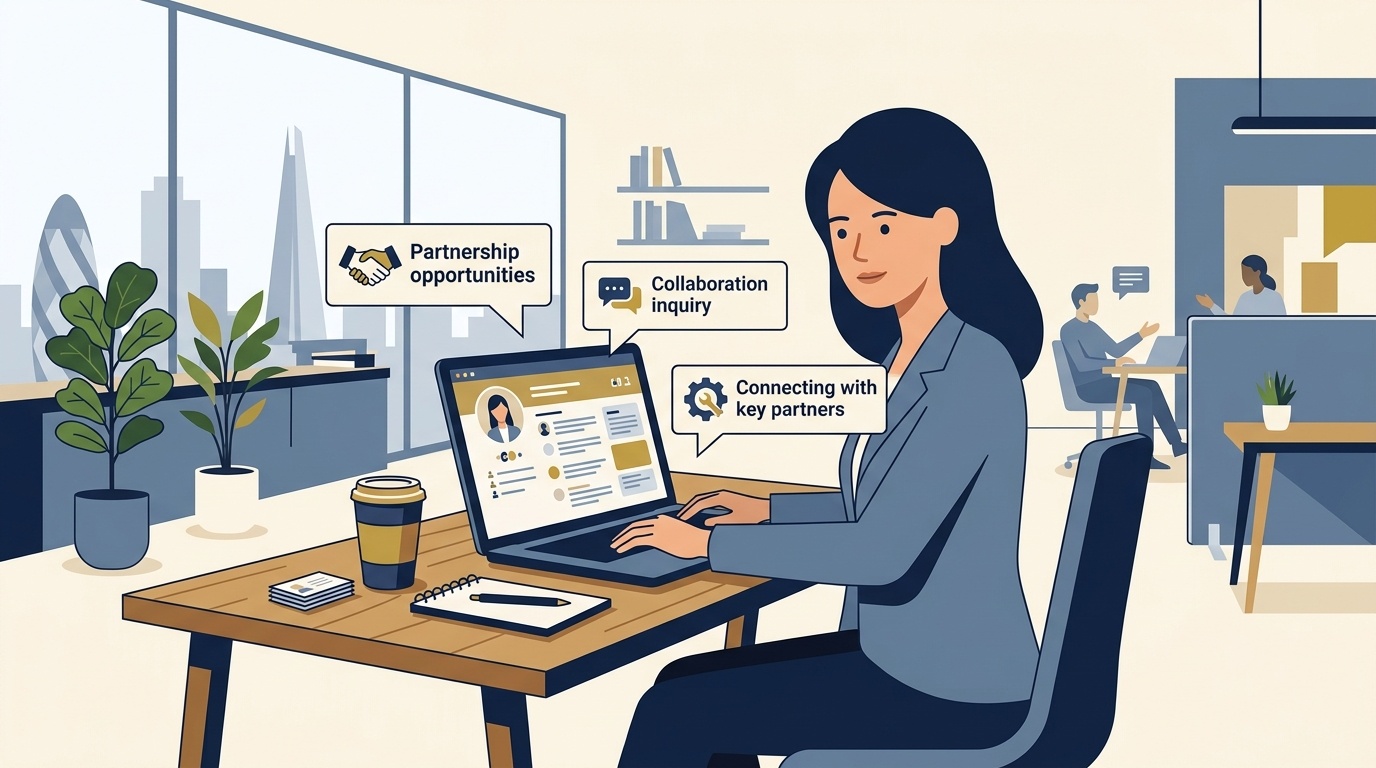
The UK now has roughly 47.5 million LinkedIn users, the fourth-largest market in the world behind the US, India, and Brazil, and around 70% of B2B buyers say they use LinkedIn to inform purchasing decisions before they ever speak to a salesperson. For a UK business selling to other businesses, that makes LinkedIn less of an optional extra and more of a default research stop for anyone considering your company. This guide covers exactly how to set up your page, build a content approach that fits how UK audiences actually respond to LinkedIn, and turn connections into real conversations, without resorting to the aggressive, US-style pitching that tends to fall flat with a British audience.
Key Takeaways
- Optimise your personal profile before your company page; people buy from people, and most UK LinkedIn traffic reaches individuals, not brand pages
- UK LinkedIn audiences respond better to understated, value-led content than to hard-sell posts, so lead with insight, not pitches
- Carousels and native video get priority distribution and higher engagement than plain text or external links
- Cold outreach works best when it opens with a specific observation about the prospect’s business, not a description of your service
- Consistency over months, not a single viral post, drives the credibility and lead flow that actually convert
What You’ll Need
- A completed personal LinkedIn profile with a clear headline stating what you do and for whom
- A company page (optional at first, but expected once you have a handful of employees or a defined brand)
- A short list of the specific problems your ideal client actually has, in their language, not yours
- A simple content calendar, even a basic one, covering two to three posts a week
- 20 to 30 minutes a day for genuine engagement: commenting, replying, and starting conversations
Step 1: Optimise your personal profile first
Most LinkedIn traffic in the UK reaches people, not company pages, so your personal profile carries more weight than most business owners expect. Your headline should state what you do and who you help, not just your job title. “Founder, Acme Ltd” tells a visitor nothing; “I help Northern Ireland retailers fix slow websites” tells them exactly why they might want to connect.
Keep your photo professional and current. LinkedIn UK culture leans more toward understatement than in some other markets, so a clear, well-lit headshot works better than anything overly casual. Your “About” section only shows the first three lines before a reader has to click “more,” so open with a summary of what you do and who you help, and save personal flourishes for further down.
Common mistake: treating your profile like a static CV and never touching it again. Update it whenever your offer, focus, or client base shifts, and revisit it alongside writing a business plan if your positioning is still evolving.
Step 2: Set up a company page once you have something to show
A company page signals credibility to anyone researching your business for the first time, but it works best once you have a personal profile posting consistently and at least a small team or portfolio of work to showcase. To create one, log into your personal account, select “For Business” at the top of the page, then “Create a Company Page.”
Fill in every section: a clear description in plain language, your website, industry, and company size. Add your logo and a banner image that reflects your actual brand, not a generic stock template. Encourage employees to list the company as their employer and to occasionally engage with the page’s posts, since posts shared by employees typically reach far more people than the same post shared only from the company page itself.
Common mistake: creating a company page and then posting to it exclusively, ignoring the personal profiles that actually drive most engagement.
Step 3: Build content around specific UK problems, not generic advice
Generic “5 tips for success” content gets lost in the feed. Content built around a specific, named problem for a specific type of UK business performs far better, because the right reader immediately recognises themselves in it. A post titled “Why Manchester manufacturers are losing tenders on price alone” will outperform “How to win more business” every time, because it speaks directly to a reader who has lived that exact frustration.
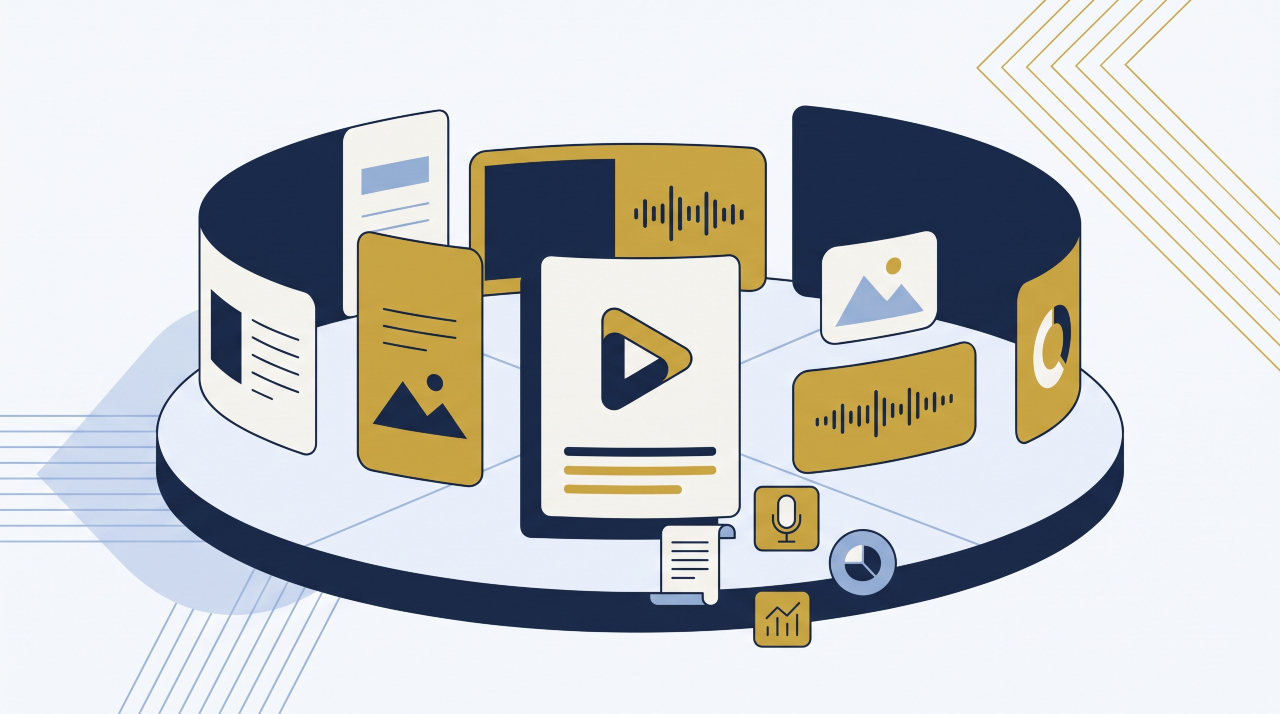
Native formats get priority in the LinkedIn algorithm. Carousels, where a reader swipes through several image slides, tend to hold attention longer than a single text post or an external link, and vertical video under 90 seconds gets favourable distribution as well. A poll asking your network about a genuine industry challenge, such as which pricing model they find hardest to explain to clients, tends to generate reliable engagement because voting takes a single tap.
What “done correctly” looks like: a reader can tell within the first line whether this post is written for them specifically, not for a general business audience.
Step 4: Match your tone to a UK audience, not a US one
LinkedIn content that performs well in the US often reads as too aggressive or too personal for a UK audience. Overt self-promotion, “humble brag” milestone posts, and hard pitches in the comments of other people’s posts tend to land badly here. UK audiences generally respond better to understated confidence, dry humour used sparingly, and posts that share a genuine lesson or observation rather than a sales pitch dressed up as a story.
Keep your own comments on other people’s posts relevant to the actual discussion. Jumping into a stranger’s post to plug your own product or service reads as poor etiquette to a UK audience and tends to damage credibility rather than build it.
Common mistake: copying a viral US LinkedIn format word for word. What performs in one market does not always translate, and a UK audience notices when a post feels imported rather than genuine.
Step 5: Join and contribute to relevant UK groups
LinkedIn groups built around a specific industry, region, or professional community, such as a UK retail association or a regional business forum, give you direct access to a concentrated, relevant audience. Most members of any group never post at all, so a small number of genuinely useful contributions can make you visible quickly relative to the competition for attention.
Share something specific and useful rather than a link to your own content every time. A short, practical checklist relevant to the group’s shared interest tends to perform better than a generic blog link, because it gives value without asking the reader to leave the platform.
Step 6: Use outreach that leads with observation, not a pitch
Cold outreach on LinkedIn works, but only when it does not read like cold outreach. Instead of opening with a description of your service, open with a specific, researched observation about the prospect’s business: a recent expansion, a job posting that hints at a gap, a piece of content they published recently. Ask a genuine question about a challenge you can reasonably assume they are facing, and offer a resource or insight before ever mentioning what you sell.
The goal of a first message is a conversation, not a close. A prospect who replies to a thoughtful question is far more likely to eventually take a call than one who receives a pitch and ignores it, and pushing for a sale too early is one of the fastest ways to get a connection request declined or ignored altogether.
Honest note: response rates from cold LinkedIn outreach are typically modest even when done well, often in the low single digits, so treat this as one channel among several rather than your only source of new business. If you are still shaping your offer, our guide to starting a consulting business covers how to define it before you lead with it in outreach.
Step 7: Track what actually works and adjust
LinkedIn’s native analytics show which posts and formats generate real engagement, not just impressions. Track profile views, post engagement, and, most importantly, the conversations and enquiries that actually result from your activity, since a post can perform well by the platform’s own metrics without producing any real business outcome.
Review performance monthly rather than obsessing over individual posts day to day. A single post rarely tells you much; a pattern across several weeks tells you what your specific audience actually responds to.
Common Mistakes to Avoid
- Posting inconsistently, then giving up after a few weeks of limited results. LinkedIn rewards sustained presence far more than a single strong post, and most visible results take months, not days.
- Writing for a general audience instead of a specific one. Vague content gets scrolled past; content clearly written for one type of reader gets noticed by exactly that reader.
- Pitching in the comments of other people’s posts. This is one of the fastest ways to damage credibility with a UK audience.
- Treating the company page as the main channel. Most engagement and trust-building happens through personal profiles, particularly for smaller UK businesses.
- Chasing viral reach instead of relevant reach. A post seen by 200 of the right people is worth more than one seen by 20,000 of the wrong ones.
Frequently Asked Questions
How often should a UK business post on LinkedIn?
Two to three posts a week tends to strike a reasonable balance between staying visible and maintaining quality. Consistency over months matters more than frequency in any single week, so a sustainable schedule beats an ambitious one you abandon after a fortnight.
Is LinkedIn worth it for a small UK business, or only for larger companies?
LinkedIn’s organic tools are free, and a well-run personal profile can generate real enquiries for a small business without any advertising spend. It tends to work best for businesses selling to other businesses, since a large share of UK LinkedIn users are full-time professionals and decision-makers.
Should I focus on my personal profile or my company page?
Start with your personal profile. Most LinkedIn engagement in the UK happens through individual profiles rather than company pages, and a company page tends to work better once you already have some personal presence and, ideally, employees who help amplify it.
Does LinkedIn advertising work for UK B2B businesses?
It can, particularly for targeting specific job titles, industries, or company sizes, but organic content and outreach usually cost less and can be tested first. Many UK small businesses find LinkedIn’s free tools sufficient before considering paid campaigns.
How do I get more engagement on my LinkedIn posts in the UK?
Native formats such as carousels and short vertical video tend to receive priority distribution over plain text or external links. Posts built around a specific, recognisable problem for a defined audience typically outperform generic advice content.
Is cold outreach on LinkedIn still effective in 2026?
It remains effective when the first message opens with a genuine, specific observation about the prospect rather than a pitch. Response rates are typically modest even with a strong approach, so treat outreach as one part of a wider LinkedIn strategy rather than the whole of it.
Conclusion
Growing a UK business on LinkedIn comes down to a strong personal profile, content built around specific problems your audience actually recognises, a tone that fits a more understated UK culture, and outreach that opens conversations instead of pitching immediately. Set up your profile properly, commit to a realistic posting schedule, and review what actually converts rather than what merely gets views. Start this week: rewrite your headline to say exactly who you help, and draft your first post around one specific problem your ideal client has right now.