
The UK consulting market is worth over £12 billion — and a significant share of that revenue goes to solo consultants and small firms, not just the big players. If you’ve got specialist knowledge and you’re wondering whether you can turn it into a business, the honest answer is: yes, you probably can.
Consulting is one of the most profitable businesses to start in the UK — and the barriers to entry are lower than most people assume. You don’t need a degree in business, a large office, or a six-figure marketing budget. What you do need is a clear niche, a structured offer, an understanding of the UK legal basics, and a plan to land your first client.
Starting a consulting business in the UK is more accessible than most people think. You don’t need a degree in business, a large office, or a six-figure marketing budget. What you do need is a clear niche, a structured offer, an understanding of the UK legal basics, and a plan to land your first client.
This guide covers every step — from deciding what to consult on, to registering your business, setting your rates, and getting paid. You’ll also get a 30-day action plan that most guides simply don’t include.
What Is a Consulting Business, Really?
Many people confuse consulting with freelancing. They’re not the same thing.
A freelancer typically executes work — they write, design, code, or build. A consultant provides expert advice, strategy, and guidance that helps clients make better decisions or solve specific problems. The distinction matters because it affects how you price your services, how you position yourself, and how clients perceive your value.
As a consultant, you’re selling your expertise and judgement — not just your time. That’s why experienced consultants can charge significantly more than freelancers doing comparable hours of work.
Step 1: Choose Your Consulting Niche
Your niche is the single most important decision you’ll make when you start a consulting business in the UK. Getting this right makes everything else — your marketing, your pricing, your client conversations — dramatically easier.
A strong consulting niche sits at the intersection of three things: what you know deeply, what businesses actually pay for, and where you have credible experience. You don’t need to be the world’s leading expert. You need to be meaningfully more knowledgeable than your target clients.
Popular and profitable consulting niches in the UK include:
management consulting, HR and people strategy, marketing and digital growth, financial planning and CFO advisory, IT and cybersecurity, sustainability and ESG, operations and supply chain, and sector-specific expertise such as healthcare, legal, or education.
The narrower your niche, the easier it is to win clients. “Business consultant” is too vague. “Helping UK law firms reduce staff turnover through HR strategy” is a niche. Specificity signals credibility.
Step 2: Define Your Consulting Offer

Once you’ve chosen your niche, you need to turn your expertise into a defined offer. This is where most new consultants get stuck — they say “I offer consulting services” without explaining exactly what the client gets, how long it takes, and what the outcome is.
Build your offer around a specific problem and a specific outcome. For example: “A 90-day engagement to audit your current marketing spend and build a lead generation strategy that reduces your cost per acquisition by at least 20%.”
A clear offer makes it easier for clients to say yes, easier for you to price consistently, and easier for word-of-mouth referrals to work. You can have more than one offer, but start with one.
Step 3: Choose Your Business Structure
This is where the UK-specific detail matters most. You have three realistic options when setting up a consulting business in the UK.
| Structure | Best For | Tax Treatment | Key Consideration |
|---|---|---|---|
| Sole Trader | Starting out, low risk, simple | Income Tax + NI on profits | You’re personally liable for debts |
| Limited Company | Higher earnings, credibility signal | Corporation Tax on profits | More admin, but tax efficient above ~£30k profit |
| Partnership | Two or more co-founders | Each partner pays Income Tax | Shared liability unless LLP |
The first practical decision you’ll make is how to structure your business legally. You’ll need to register as a sole trader or limited company for consulting — and the right choice depends on your expected earnings, your appetite for admin, and how quickly you want to get started. Most new consultants begin as sole traders because it’s fast, free, and requires minimal paperwork.
You can register as a sole trader directly with HMRC using their online service. For a limited company, you register through Companies House, which costs £50 online (under ECCTA regulations) and takes 24 hours.
Step 4: Understand UK Tax and VAT
Tax surprises derail more new consultants than almost anything else. Here’s what you need to know upfront.
As a sole trader, you pay Income Tax on profits above your Personal Allowance (£12,570 in the current 2026/27 tax year) and Class 4 National Insurance on profits above £12,570. You’ll need to file a Self Assessment tax return each year by 31 January.
VAT is a separate consideration. You must register for VAT once your taxable turnover exceeds £90,000 in any rolling 12-month period (the current £90,000 statutory threshold, per HMRC’s official VAT guidance). Even below that threshold, voluntary VAT registration can make you appear more established to corporate clients — though it adds quarterly filing obligations.
Set aside at least 25–30% of every invoice payment in a separate savings account. Don’t spend money you haven’t yet paid in tax.
Step 5: Sort Your Insurance
Professional indemnity insurance is not optional for a UK consultant — it’s essential. If a client claims your advice caused them financial loss, you could face a claim worth tens of thousands of pounds without it.
Professional indemnity insurance covers you if a client sues you for mistakes, negligence, or bad advice. Most corporate clients will ask for proof of cover before signing a contract. Policies start from around £100–£200 per year for basic cover, though the right level depends on the size of contracts you’ll handle.
You may also want public liability insurance (if you meet clients in person) and potentially employers’ liability insurance if you take on any staff. The Association of British Insurers provides guidance on the types of cover relevant to self-employed professionals.
Step 6: Set Your Consulting Rates
Pricing is where most new consultants undercharge dramatically — and then burn out. You need to set rates that reflect the value you deliver, not just the hours you work.
UK consulting day rates vary widely by sector and experience:
- Junior/entry-level consultants: £300–£600 per day
- Mid-level consultants (5–10 years’ experience): £600–£1,200 per day
- Senior/specialist consultants: £1,200–£2,500+ per day
- Strategy and C-suite advisory: £2,500–£5,000+ per day
These figures align with data published by the Management Consultancies Association, which tracks UK consulting market benchmarks annually.
Don’t price based purely on what you think clients will pay. Price based on the value of the outcome you deliver. A consultant who saves a company £500,000 in operational costs can justify a £50,000 engagement fee. That’s a 10x return for the client.
Three common pricing models:
- Day rate: Straightforward, familiar to clients, but caps your income at hours × rate
- Project fee: Fixed price for a defined outcome — better for your earnings potential
- Retainer: Monthly fee for ongoing access and support — excellent for predictable revenue
Start with a day rate to establish the market. Move towards project fees and retainers as you gain confidence and client trust.
Step 7: Build Your Professional Presence
You don’t need a £5,000 website to start a consulting business in the UK. You do need a credible, professional presence that makes prospects trust you before they’ve spoken to you.
At minimum, you need a LinkedIn profile that clearly states who you help, what problem you solve, and what results you’ve delivered. LinkedIn is the primary B2B platform in the UK and is where most consulting opportunities begin.
A simple one-page website with your offer, your background, client results (even anonymised), and a contact form is enough to get started. Add a professional email address on your own domain (not a Gmail address) — it costs less than £5 per month and signals that you’re serious.
If you’re consulting in a regulated area — financial advice, legal, healthcare — check whether you need registration with a professional body such as the Financial Conduct Authority or the relevant regulatory authority. This is non-negotiable in those sectors.
Step 8: Get Your First Consulting Client
This is the step most guides gloss over, and it’s the one that actually determines whether your consulting business succeeds or fails in the first six months.
The fastest path to your first client is almost always through people who already know and trust you. Start by making a list of everyone you’ve worked with professionally over the past five to ten years — former colleagues, managers, clients, suppliers. Reach out personally, not with a mass email. Tell them what you’re now doing and ask if they know anyone who might benefit.
Don’t ask for work. Ask for conversations. The consulting business runs on relationships and referrals, especially in the early stages. Most new consultants get their first two or three clients through direct outreach to their existing network.
If your network is limited, these tactics work well:
- Speak at industry events or webinars — positions you as a credible authority
- Write short, specific LinkedIn posts about problems in your niche — attracts inbound interest
- Partner with complementary service providers — an accountant might refer you to a business owner who needs operational help
- Cold outreach — targeted, personalised emails to specific decision-makers in companies who fit your ideal client profile
One honest reality: landing your first client usually takes longer than you expect. Most new consultants wait one to three months from launch before their first paid engagement. Plan your finances accordingly.
Step 9: Write a Proper Consulting Contract
Never start work without a signed contract. This protects you and the client, sets clear expectations, and prevents the disputes that can make consulting miserable.
Your contract should cover: the scope of work, deliverables, timeline, payment terms, what happens if scope changes, confidentiality obligations, intellectual property ownership, and termination rights.
You can buy template contracts from legal services platforms or through a business solicitor. Spending £200–£500 on a properly drafted contract template at the start will save you thousands in potential disputes later.
Payment terms matter. Standard practice in UK consulting is 30-day payment terms (net 30). Many experienced consultants ask for 30–50% upfront before starting a project, particularly with new clients. Don’t feel awkward about this — it’s normal and it protects your cash flow.
Step 10: Understand IR35 If You Work With Corporates
If you plan to consult for large UK companies or public sector organisations, you need to be aware of IR35. This is one of the most important pieces of legislation for UK consultants, and most beginner guides completely ignore it.
If you plan to consult for large UK companies or public sector organisations, consultants must understand IR35 before taking contracts — yet most beginner guides completely ignore it. This legislation determines whether HMRC considers you a genuine independent contractor or, in effect, a disguised employee. Getting it wrong can cost you thousands in unexpected tax and National Insurance deductions.
For consulting engagements to sit “outside IR35,” you generally need to demonstrate: you control how and when you do the work, you could send a substitute in your place, and the client doesn’t treat you as part of their permanent workforce.
HMRC provides a tool called CEST (Check Employment Status for Tax) that helps you assess IR35 status. Use it before signing any long-term corporate contract.
Your First 30 Days: A Practical Action Plan
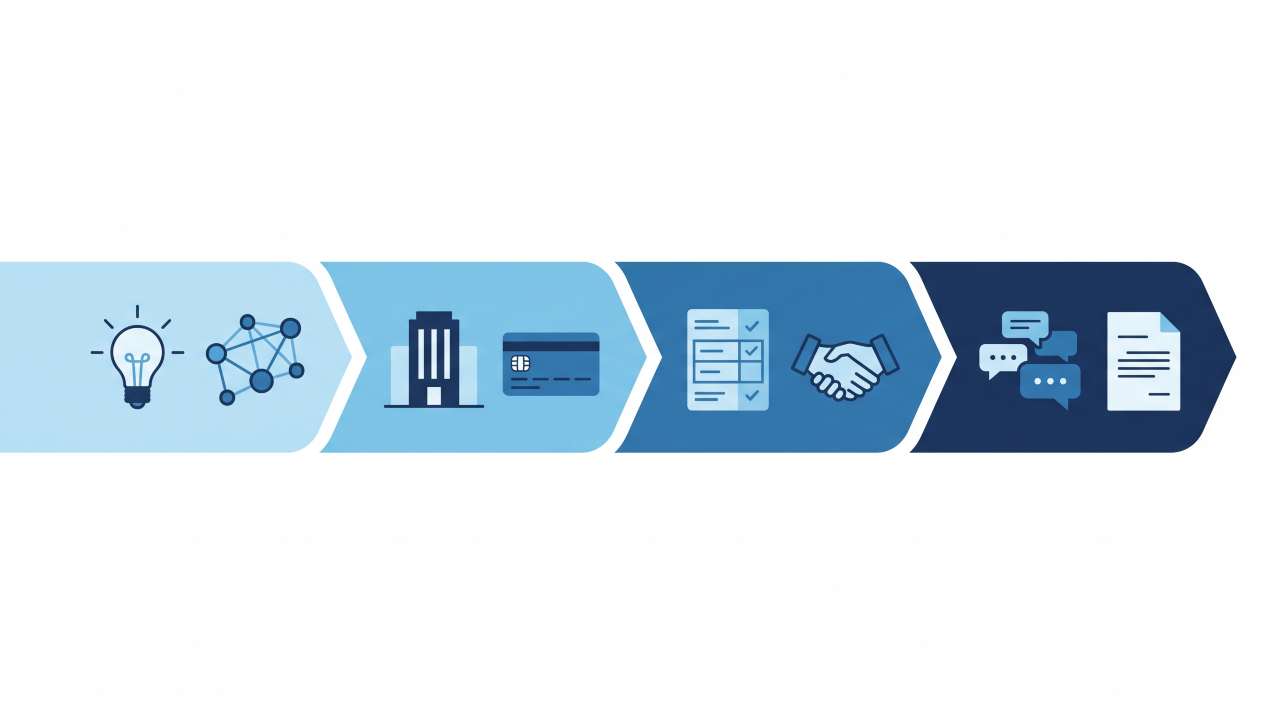
Most guides end before the part you actually need — what to do first. Here’s a concrete 30-day plan.
Week 1: Finalise your niche, write your consulting offer in one clear sentence, update your LinkedIn profile, and tell five people in your network what you’re doing.
Week 2: Register your business (sole trader via HMRC or limited company via Companies House), open a separate business bank account, and research professional indemnity insurance quotes.
Week 3: Set your rates, create a simple one-page website or landing page, draft a basic contract template, and reach out to 10–15 people in your network personally.
Week 4: Have at least three exploratory conversations with potential clients, publish your first LinkedIn post sharing your expertise, and set up your Self Assessment registration with HMRC if you haven’t already.
By day 30, you’ll have a properly structured consulting business, a professional presence, and active conversations with potential clients. That’s a stronger start than most people achieve in three months.
Common Mistakes New UK Consultants Make

Every new consultant makes mistakes. Knowing the most common ones in advance saves you time, money, and frustration.
Underpricing your services is the most common error. Low rates don’t attract more clients — they attract the wrong clients and signal low confidence. Price at a level that reflects genuine value.
Starting without a contract is the second most damaging mistake. Scope creep, delayed payments, and disputes are all vastly more likely without a written agreement in place.
Trying to serve everyone kills momentum fast. A vague offer to a vague audience generates vague results. Specificity wins.
Neglecting cash flow causes otherwise good businesses to fail. Invoice promptly, chase late payments professionally, and always have three months of living expenses in reserve when you start.
FAQ: Starting a Consulting Business in the UK
How much does it cost to start a consulting business in the UK?
Starting costs are low compared to most businesses. Registering as a sole trader is free. A limited company costs £50 via Companies House. Add professional indemnity insurance (from around £150/year), a domain name and email (under £50/year), and a basic website (free to £500). You can start a consulting business in the UK for under £1,000 in most cases.
Do I need qualifications to be a consultant in the UK?
There’s no legal requirement for general qualifications in most consulting areas. What matters is demonstrable expertise and a track record of results. In regulated sectors — financial advice, legal, healthcare, or certain engineering disciplines — you will need relevant professional accreditation or registration with the appropriate regulatory body.
How do consultants find their first clients in the UK?
Most new consultants find their first clients through their existing professional network — former employers, colleagues, and contacts. Direct, personal outreach is the most effective tactic at the start. LinkedIn, speaking at events, and targeted cold outreach to decision-makers are also effective methods once your network is exhausted.
Is consulting profitable in the UK?
Yes — consulting is one of the highest-margin service businesses available to self-employed professionals in the UK. A consultant billing 100–120 days per year at £800 per day generates £80,000–£96,000 in revenue. With low overhead costs, profit margins of 60–80% are achievable. Income varies significantly by niche, experience, and how effectively you market your services.
Do I need to register for VAT as a consultant?
You must register for VAT once your annual turnover exceeds £90,000 (the current £90,000 threshold). Below that threshold, VAT registration is optional. Many consultants choose to register voluntarily when working with VAT-registered corporate clients, as it can appear more professional and allows you to reclaim VAT on business expenses.
What’s the difference between a sole trader and a limited company for consulting?
As a sole trader, you and your business are legally the same entity — simpler admin but personal liability for any debts. As a limited company, the business is a separate legal entity — more admin, but potential tax advantages once profits exceed approximately £30,000–£40,000. Most consultants start as sole traders and incorporate once revenue justifies it.
The One Thing That Decides Whether You Succeed
You can have perfect legal structure, a professional website, and a well-priced offer — and still struggle if you don’t do one thing: talk to potential clients constantly, early, and often.
The consulting business is built on conversations and trust. Most new consultants spend too much time perfecting their setup and not enough time in front of the people who could actually hire them. Flip that ratio.
Your next step: Before you do anything else, write down three people in your professional network you could contact this week. Send them a personal, honest message explaining what you’re now doing and asking if they’d be open to a short call. That’s how most successful consulting businesses actually begin — not with a perfect website or a glossy brochure, but with a direct, human conversation.
Start there. The rest follows.