UK e-commerce sales are projected to exceed £270 billion in 2026 — yet most new online stores close within their first year. The gap between those who survive and those who don’t usually comes down to one thing: starting with a solid plan rather than guessing as you go.
If you’re thinking about how to start an e-commerce business in the UK in 2026, you’re in exactly the right place. This guide walks you through every step — from picking your niche to making your first sale — with honest advice about what it costs, what the law requires, and what beginners typically get wrong.
By the end of this article, you’ll know exactly what to do, in what order, and why each step matters.
Step 1: Choose Your Business Model First
Before you build anything, you need to decide how your business will operate. Most beginners skip this and go straight to picking a name or designing a logo. That’s a mistake.
The four most common e-commerce models in the UK are:
- Dropshipping — You sell products you don’t hold in stock. A supplier ships directly to your customer. Low startup cost, but thin margins and slower delivery times can hurt your reviews.
- Print-on-demand — You sell custom-designed products (T-shirts, mugs, art prints). Production happens when an order is placed. Good for creative businesses, though production costs are high per unit.
- Wholesale/retail — You buy products in bulk at a discount and sell them at a higher price. You hold stock, so you need storage space and upfront capital.
- Own product/manufacturing — You create or manufacture your own product. Highest margin potential, but the most complex to start.
Each model has a different risk profile, startup cost, and time-to-first-sale. Choose based on your budget and how much time you can invest before you need revenue.
Step 2: Find a Profitable Niche (Not Just a Passion)
You’ve probably heard “follow your passion.” It’s bad advice on its own. Your niche needs demand, manageable competition, and decent profit margins — passion helps you stay motivated, but it won’t pay your hosting bill.
Use Google Trends to check whether interest in your product idea is growing, stable, or declining in the UK. Pair this with keyword research tools like Ahrefs or Ubersuggest to see actual UK search volumes.
Look for niches where:
- A clear audience exists (dog owners, home bakers, cycling commuters)
- Competitors exist but don’t dominate completely
- Average order values are above £30 (lower AOVs make profitability very hard)
One practical test: search your product idea on Amazon UK and eBay. If hundreds of identical listings appear with thousands of reviews, that niche is saturated. If almost nothing appears, there may be no demand. You want the middle ground.
Step 3: Register Your Business Legally in the UK
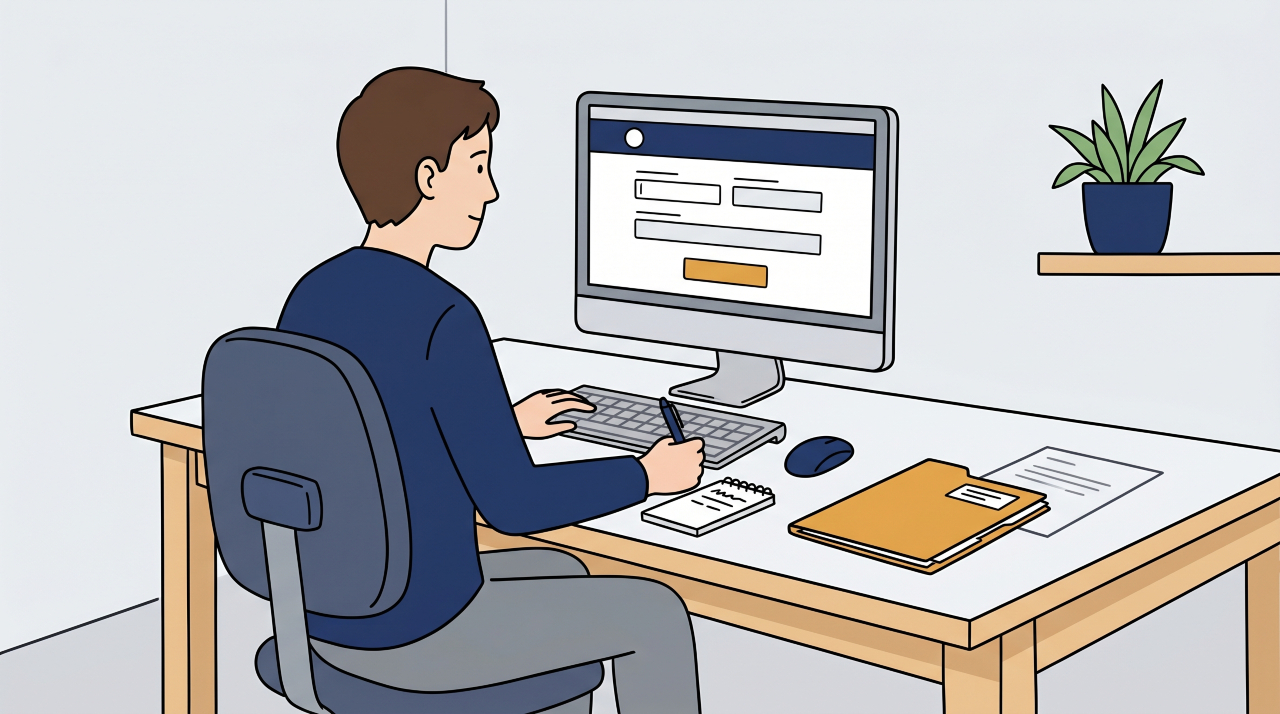
This is the step most guides rush through. Don’t. Getting your legal structure wrong costs money and time to fix.
Sole trader vs limited company:
Most beginners start as sole traders because it’s simple — you register with HMRC and file a Self Assessment tax return each year. You can register as a sole trader with HMRC in about 10 minutes online.
A limited company (Ltd) gives you personal liability protection, looks more professional to suppliers, and can be more tax-efficient once you’re earning above roughly £30,000–£35,000 profit per year. You register through Companies House.
VAT registration:
You must register for VAT once your taxable turnover exceeds £90,000 in a rolling 12-month period (the current 2024–25 threshold). However, many e-commerce businesses choose to register voluntarily earlier — it lets you reclaim VAT on business purchases and can signal credibility to trade suppliers.
Making Tax Digital (MTD):
From April 2026, MTD for Income Tax Self Assessment (MTD ITSA) becomes mandatory for sole traders and landlords earning over £50,000 annually. If you’re in that bracket, you’ll need compatible accounting software from day one. HMRC’s MTD guidance explains exactly who’s affected.
Product Safety: The GPSR (2024 rules now in effect):
The UK General Product Safety Regulations 2005 — updated via the Product Safety and Metrology Bill — mean you must ensure any product you sell in the UK is safe, properly labelled, and traceable. If you’re dropshipping from overseas suppliers, you are the importer of record in the eyes of UK law. You carry the responsibility.
Step 4: Pick the Right E-commerce Platform
Your platform choice shapes everything: how your store looks, what it costs monthly, and how hard it is to manage. Here’s an honest comparison for UK beginners:
| Platform | Monthly Cost (approx.) | Best For | Limitation |
|---|---|---|---|
| Shopify | £25–£65 | Beginners wanting simplicity | Transaction fees unless using Shopify Payments |
| WooCommerce | Free + hosting (~£10–£20/mo) | WordPress users, more control | Requires more technical setup |
| Wix eCommerce | £17–£35 | Very small stores, simple products | Limited scalability |
| BigCommerce | £29–£65 | Growing stores with high volume | Steeper learning curve |
| Etsy (marketplace) | Listing fees + 6.5% transaction | Handmade, vintage, craft | You don’t own the platform or customer data |
For most UK beginners in 2026, Shopify remains the easiest starting point. Shopify Payments supports GBP natively, eliminating transaction fees, and the app ecosystem handles most growth challenges you’ll face in year one.
If budget is tight, WooCommerce with a managed WordPress host like SiteGround (UK servers available) gives you more control for less monthly spend.
Step 5: Sort Your Domain, Branding, and Store Design
Your domain name should be short, memorable, and ideally end in .co.uk (builds trust with UK customers) or .com. Check availability on Nominet’s WHOIS tool for .co.uk domains.
Keep your branding consistent across your store, social media, and packaging. You don’t need to hire a designer — free tools like Canva let you create a professional logo and brand kit in an afternoon.
Your store design should prioritise:
- Clear product photography (natural light, plain backgrounds)
- Simple navigation (customers shouldn’t need more than two clicks to find a product)
- Mobile optimisation (over 60% of UK online shopping now happens on mobile, according to Statista UK e-commerce data)
Don’t spend weeks perfecting your design before launch. A clean, functional store beats a beautiful one that’s never published.
Step 6: Set Up Payments and Shipping
UK customers expect familiar payment options. Ensure you accept:
- Credit and debit cards (Visa, Mastercard)
- PayPal (still widely trusted in the UK)
- Apple Pay and Google Pay (fast-growing in mobile checkouts)
- Klarna or Clearpay if your AOV is high (Buy Now Pay Later increases conversions for items over £50)
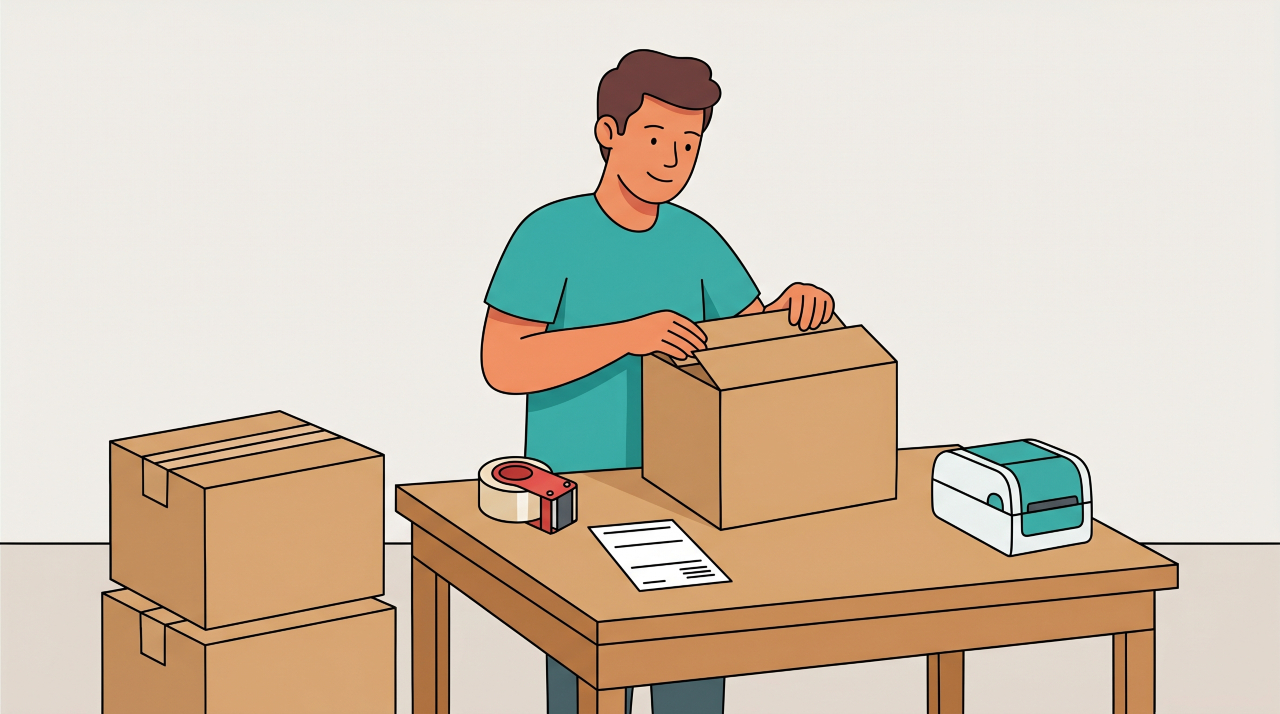
For shipping, research Royal Mail, Hermes (now Evri), DPD, and DHL. Rates vary significantly by parcel weight and delivery speed. Many Shopify stores use a shipping app like Shipstation to compare rates and print labels in bulk.
Be transparent about delivery times on your product pages. Hidden delivery information is the number one reason UK shoppers abandon their cart at checkout, according to the Baymard Institute.
Step 7: Understand UK Consumer Law Before You Launch
This is what separates genuinely useful guides from the generic ones. UK consumer law is strict, and ignorance isn’t a defence.
Under the Consumer Rights Act 2015, customers are entitled to a full refund within 30 days if a product is faulty. Under Distance Selling Regulations (part of the Consumer Contracts Regulations 2013), customers buying online have the right to cancel and return most purchases within 14 days — no reason required — and you must refund them within 14 days of receiving the returned goods.
Your store must display:
- A clear returns and refund policy
- Your business name and contact details
- VAT number (if registered)
- Privacy policy compliant with UK GDPR
Skipping these isn’t just risky legally — it kills customer trust. Displaying them clearly, on the other hand, actively increases conversions.
Step 8: Build Your Marketing Strategy Before Launch
Most new store owners build their shop, press publish, and wait. Nothing happens. That’s because traffic doesn’t appear by magic.
Start building your audience before your store goes live:
- SEO — Write product descriptions with real search terms (not manufacturer copy). Create a blog covering questions your customers type into Google. SEO takes 3–6 months to gain traction, so start early.
- Social media — Pick one or two platforms your audience actually uses. For B2C e-commerce in the UK, Instagram and TikTok work well for visual products; Facebook remains strong for older demographics.
- Email marketing — Collect email addresses from day one with a simple lead magnet (10% off first order is standard). Use Klaviyo or Mailchimp to automate welcome sequences.
- Paid ads — Google Shopping ads and Meta ads both work for UK e-commerce. Don’t start paid ads until you’ve confirmed your store converts organic traffic — you’ll waste money sending paid visitors to a broken checkout.
AI tools are genuinely useful in 2026 for content creation, ad copy, and customer service chatbots. Tools like ChatGPT, Jasper, and Tidio can cut your content production time significantly without replacing the human judgment that makes marketing actually land.
Step 9: Realistic Costs to Start a UK E-commerce Business
Beginners often underestimate startup costs. Here’s an honest breakdown:
- Domain name: £10–£20/year
- Hosting or platform subscription: £10–£65/month
- Theme or design: £0–£180 (one-time)
- Initial stock (if holding inventory): £500–£5,000+
- Product photography: £0 (DIY) to £300+
- Legal/accounting setup: £100–£500
- Marketing budget (first 3 months): £200–£1,000
- Apps and tools: £20–£100/month
Total realistic minimum to launch properly: £600–£1,500. Anyone telling you that you can build a profitable e-commerce business for £50 is not being honest with you. It’s possible to start lean, but cutting corners on legal setup, photography, or marketing almost always costs more later.
Step 10: Launch, Test, and Iterate
Launch with a small, focused product range — three to ten products is plenty to start. You’ll learn more from your first 50 real orders than from six months of planning.
Track these metrics from week one:
- Conversion rate (aim for 1–3% for a new store)
- Average order value
- Cart abandonment rate
- Traffic sources
Use Google Analytics 4 (free) and your platform’s built-in dashboard. Don’t make big changes based on fewer than 100 sessions of data — that’s not a statistically meaningful sample.
Be honest with yourself: most successful e-commerce businesses take 12–18 months to reach consistent profitability. The ones that make it aren’t necessarily smarter — they test faster and quit less.
Frequently Asked Questions
How much does it cost to start an e-commerce business in the UK?
You can technically launch for a few hundred pounds, but a realistic budget to start properly — with legal setup, decent stock, and initial marketing — is £600 to £1,500. Ongoing monthly costs for platform, apps, and marketing typically run £100 to £300 in your first year.
Do I need to register my e-commerce business with HMRC?
Yes. If you’re earning income from selling online, you must inform HMRC. Most beginners register as sole traders, which you can do free on the HMRC website. You only need to register for VAT separately once your turnover exceeds £90,000 in a rolling 12-month period.
What is the best platform for e-commerce in the UK in 2026?
For most beginners, Shopify is the most straightforward option. It integrates with UK payment processors natively, handles tax calculations, and has the largest app marketplace. WooCommerce suits those on a tighter budget who are comfortable with WordPress.
Can I run a UK e-commerce business from home?
Yes. Most sole trader and limited company e-commerce businesses start from home. You may need to check your tenancy agreement or mortgage terms if you’re storing significant stock. If you work from home, you can claim a portion of household expenses as a business expense against tax.
How long does it take to make money from an e-commerce business?
Most new e-commerce stores take 3–12 months to reach consistent sales and 12–18 months to reach meaningful profitability. Dropshipping and print-on-demand models can generate first sales faster, but margins are lower. Patience and consistent marketing matter more than any single tactic.
What UK laws apply to online selling?
Key legislation includes the Consumer Rights Act 2015, Consumer Contracts Regulations 2013, UK GDPR (data protection), and the General Product Safety Regulations. If you sell food, cosmetics, or children’s products, additional specific regulations apply. The GOB guidance on online selling covers the essentials.
Your Clear Path Forward
Starting an online store is one of the smartest business moves you can make right now. E-commerce consistently ranks in the top businesses to start in the UK, thanks to low barriers to entry, flexible working arrangements, and a UK consumer base that’s increasingly comfortable buying everything online. The question isn’t whether e-commerce is a viable business — it’s whether you’re willing to put in the groundwork to make yours work.
The single most important takeaway from this guide: get your legal and financial foundations right before you spend a penny on marketing. A store that’s legally compliant, clearly branded, and correctly set up for UK consumer law will always outperform one that skipped the basics and went straight to running ads.
Your next specific step: decide today whether you’ll operate as a sole trader or limited company, then register with HMRC or Companies House this week. That one action moves you from thinking about e-commerce to actually doing it. Everything else follows from there.