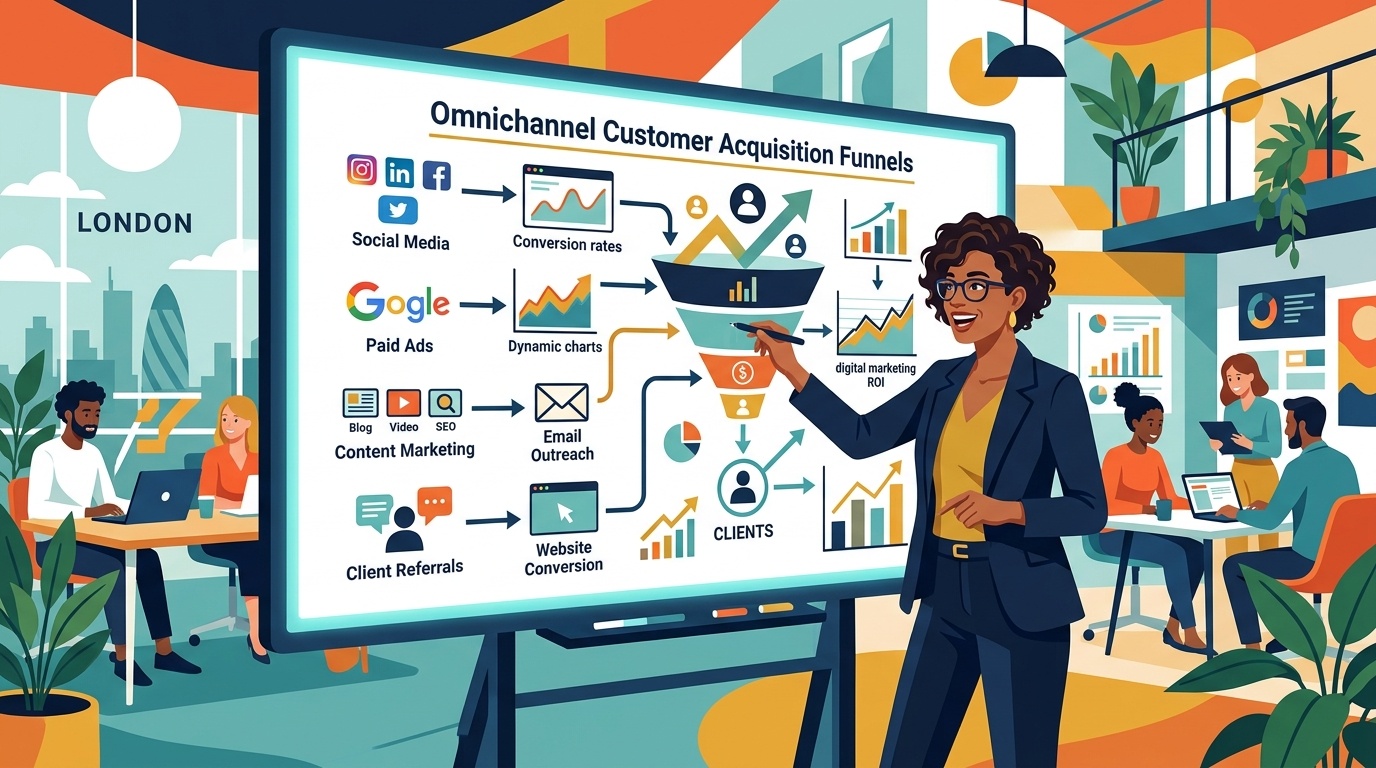
Roughly 20% of new businesses fail within their first year, and the number one reason is not a bad product. It is a lack of customers. That one fact should wake you up, because it means the business itself might be fine. The real problem is getting in front of the right people at the right time.
This article gives you 7 real, tested methods to find your first paying customers, even if you are starting from zero. No fluff, no expensive ad campaigns required, and no assuming you already have a big following.
Most advice on this topic tells you to “get on social media” or “network more.” That is not wrong, but it is not enough. You need to know exactly who to talk to, where to find them, and what to say when you get their attention. That is what this article covers. Each method is broken down so you can actually use it, not just read about it.
Who Gets the Most Out of This Article
This is written for someone who has already started a business or is very close to launching one. You have a product or service ready to go. Maybe you have even made a sale or two to a friend or family member. But now you are staring at the gap between those first few sales and actual, consistent revenue.
You are probably not sitting on a big marketing budget. You might be running the whole operation yourself. The idea of paid ads feels risky when you are not sure what works yet. You need customers soon, but you do not want to waste time chasing the wrong strategies.
If that sounds like where you are right now, this is exactly for you.
What Actually Drives Customer Growth Early On
A lot of new business owners think the product sells itself if it is good enough. Sometimes that is true, but it is rare. Most of the time, people do not buy from businesses they have never heard of. That is not about quality. It is about trust.
Trust takes time to build, but there is a shortcut: proximity and relevance. When you show up where your ideal customer already spends time, and you speak directly to a problem they already have, the gap between “stranger” and “paying customer” gets much shorter.
Before any strategy works, you need one thing locked in: a clear picture of your ideal customer. This is called your target audience. You need to know their age range, what problem they are trying to solve, where they hang out online and offline, and what they have already tried that did not work.
Doing even basic small business market research before you start outreach will make every single method below work better. Without it, you are guessing. With it, you are aiming. Most new business owners skip this step because it feels slow, but skipping it is what actually slows you down.
7 Methods to Find Customers for a New Business
1. Start With the People You Already Know
Your first customers are probably already in your phone contacts. This is the fastest, lowest-cost way to get your first few paying clients, and most people avoid it because it feels awkward. But it works.
Write out a simple message to 20 to 30 people you trust. Tell them what you do, who you help, and ask if they know anyone who might need your service. You are not asking them to buy. You are asking them to refer. That one shift makes the whole thing feel less like a sales pitch and more like a conversation.
The downside here is scale. Your personal network only goes so far. Think of this as your launch pad, not your long-term strategy. Use it to get your first customers fast, then build from there.
2. Use Word of Mouth Referrals Intentionally
Word of mouth is the most trusted form of marketing. A referral from a friend is worth more than any ad you could run. But most business owners wait for referrals to happen naturally instead of asking for them directly.
After you complete a job or make a sale, ask the customer one simple question: “Do you know anyone else who might need this?” Most satisfied customers are happy to share a name. Some will even make an introduction for you. One happy customer can bring in three or four more if you ask at the right moment.
You can also create a simple referral incentive. Offer a discount or a small gift to anyone who sends a new customer your way. Keep it simple and affordable.
3. Show Up Where Your Customers Already Are
Every target audience has places they gather, online and in person. Your job is to find those places and show up consistently. This is not about advertising. It is about presence.
If you sell to local businesses, attend local networking events or your city’s chamber of commerce meetings. If you sell to parents of young kids, join local Facebook groups or community boards where those parents ask for recommendations. If you sell a service for small business owners, there are Reddit communities, LinkedIn groups, and Slack channels full of them.
The key is to show up and give value first. Answer questions. Share useful information. Help people without asking for anything in return. Over time, people start to see you as the go-to person in your space.
4. Set Up Your Google Business Profile
If your business serves a local area, this is one of the highest-impact free things you can do. When someone searches for a service near them, Google shows a map with local businesses listed. That list is called the local pack, and getting into it can drive real traffic to your business for free.
You can set up your Google Business Profile in about 30 minutes. Add your business name, category, phone number, website, hours, and photos. Then ask your early customers to leave a review. Even five honest reviews can put you ahead of businesses that have been around for years but never bothered to ask.
This works best for service businesses, restaurants, shops, and any business that operates in a specific city or region.
5. Post Consistently on One Social Media Platform
You do not need to be on every platform. Pick the one where your ideal customer actually spends time, and post there consistently. That means at least three to four times per week.
Your posts should be helpful, specific, and human. Share tips related to your industry. Show behind-the-scenes moments. Answer questions your customers commonly ask. The goal is not to go viral. The goal is to build a small audience of people who trust you over time.
The mistake most new business owners make is posting promotional content constantly. Nobody follows a business account that only says “buy from me.” Lead with value, and the sales will follow.
6. Partner With Businesses That Serve the Same Customers
Think about who else sells to the same people you want to reach. A photographer and a wedding planner share the same target audience. A gym and a nutritionist share the same target audience. A bookkeeper and a small business attorney share the same target audience.
Reach out to a few of those businesses and propose a simple arrangement. You refer your customers to them, and they refer their customers to you. Nobody pays anything. Both sides win. These partnerships can become a steady, reliable source of new customers once they are set up.
Start with three or four businesses. Send a short email or make a quick phone call. Keep it simple and focused on the mutual benefit.
7. Run One Small, Targeted Paid Ad (Optional)
If you have even a small budget, a focused paid ad on Facebook, Instagram, or Google can bring in your first few customers faster than organic methods alone. The key word here is targeted. Do not run a broad ad to everyone. Pick a narrow, specific audience.
For example, if you sell meal prep services in Atlanta, target people in Atlanta between 30 and 50 who follow fitness accounts. Keep your ad copy simple: one problem, one solution, one call to action. Set a small daily budget of five to ten dollars and run it for two weeks. Track the results honestly.
The downside is real. Paid ads take testing, and you may spend money before you figure out what works. If your budget is very tight, focus on the free methods first.
What Most Articles on This Topic Get Wrong
Almost every article about how to find customers for a new business tells you to “build your brand” and “create content.” That advice is not wrong, but it is advice built for the long game. When you are brand new and need customers now, waiting for content to gain traction can take months.
What most articles leave out is direct outreach. Sending a personal message to a specific person about a specific problem is still one of the fastest ways to get a paying customer. It is not flashy, but it works.
Here is an example. If you just launched a bookkeeping service for freelancers, go to LinkedIn and search for freelance designers or writers in your city. Send 10 of them a short, personal message. Reference something specific about their work. Offer to help with one small problem for free. Out of 10 messages, you might get two or three replies, and one of those could become a client that week.
Direct outreach feels uncomfortable, but discomfort is not a sign that something is wrong. It is just unfamiliar.
How to Take Action Starting Today
Pick two methods from the list above, not seven. Start with the ones that feel most accessible to where you are right now.
If you have a local business, set up your Google Business Profile today and text 10 people in your contact list this week. If you have an online business, choose one social media platform and post something helpful today. Then reach out directly to five specific people who match your ideal customer profile.
Write down who you are going to contact, when you are going to do it, and what you are going to say. Do not leave it vague. Vague plans stay plans. A specific list of five names with a message ready to send is an action you can take in the next hour.
Check back on your results in two weeks. What got a response? What did not? Adjust from there. Customer acquisition is a skill, and skills improve with practice.
The One Thing That Ties It All Together
Getting customers for a new business is not about finding the perfect strategy. It is about showing up consistently for the people you are trying to help, until they trust you enough to buy.
Every method in this article works. Most of them cost nothing. What separates new business owners who get customers from those who do not is simple: they actually do the work instead of waiting for customers to find them.
Pick your two methods, write your action plan, and take the first step today. The first paying customer is always the hardest. The second one is easier. And by the time you have five, you will have a system.
FAQs
Q: How long does it take to find your first customers for a new business?
A: It depends on your method. Direct outreach to your personal network can produce a customer within days. Social media and content strategies usually take several weeks to months before they gain real traction. Start with outreach if you need customers fast.
Q: Do I need a website before I start looking for customers?
A: No, not always. Many service businesses land their first clients through referrals and direct conversations before they have a website. A simple one-page site with your contact info is enough to start. Do not let building a website delay you from talking to potential customers.
Q: How do I find customers for a new business with no money?
A: Focus on free methods first. Referrals, direct outreach, Google Business Profile, social media, and business partnerships all cost nothing but time. These are the best places to start when budget is tight.
Q: What if I reach out to people and no one responds?
A: That is normal, especially at first. Two things help. First, make sure you are reaching out to the right people, which means your actual target audience, not just anyone. Second, make your message personal and specific, not a copy-paste pitch. Follow up once if you do not hear back.
Q: How many customers do I need before I can say my business is working?
A: There is no universal number, but a good early milestone is five paying customers who found you through two or more different channels. That tells you your methods are working and your business is not relying on just one source of leads.